
Patina is one of the most attractive features of a well-used Zisha teapot, yet many tea collectors hold wrong beliefs about how it forms. A lot of misleading tutorials online push fast methods to get shiny surfaces, but most of these tricks will harm the clay and reduce the value of your handmade pot over time.
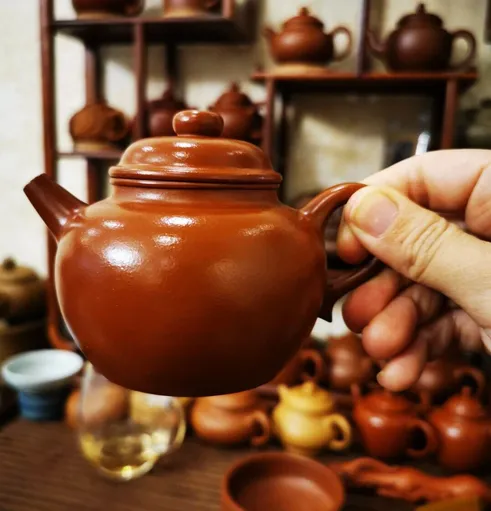
One of the biggest misconceptions is that patina can be formed in just a few weeks. True patina is built slowly as tiny mineral pores in Zisha clay absorb tea oil, and the surface oxidates gently over repeated use. It cannot be rushed. Pots with a super glossy layer after a short time are often coated with oil, wax or chemical agents, instead of genuine tea patina.
Another common myth says you need to soak the teapot in tea overnight or smear cooking oil on it. Soaking for long periods creates uneven, dark blotches that are difficult to remove. Oil coatings will seal the clay pores permanently, so the pot will never breathe or develop natural patina again. Even frequent wiping with tea is not a shortcut; steady, normal brewing is the only reliable way.
Some people also think all shiny Zisha surfaces mean good patina. Natural patina feels soft and understated, with luster coming from inside the clay. Fake shine looks slick and reflective from the outside. Once you drop these wrong ideas and use your pot regularly for tea, you will watch it transform gradually, forming a unique patina that belongs only to you.
Leave a Reply