
Category: Teaware Journal
Recent Categories
Recent Posts
Post Archive
Category Tags
Follow Us
-
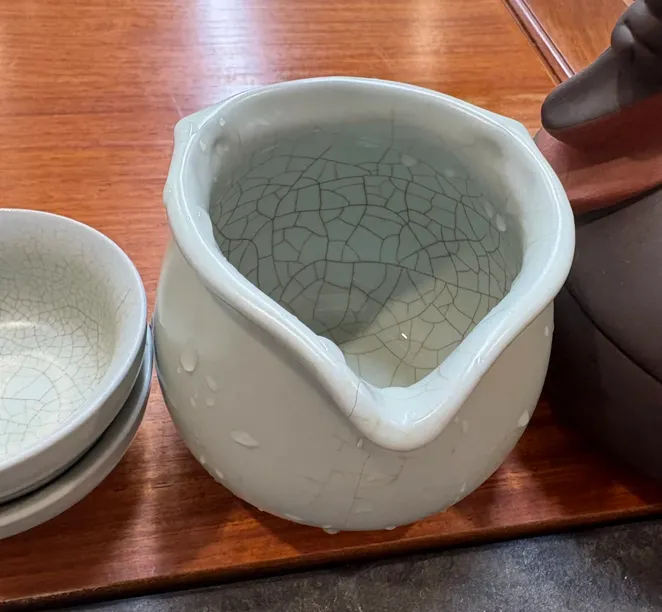
Best Ru Kiln Fair Cup Size for Gongfu Tea Brewing
A fair cup, also known as a justice cup, is an essential piece in gongfu tea set. It receives tea soup from the teapot and distributes equal flavor to every teacup. Many tea lovers only focus on the sky cyan glaze and crackle texture of Ru kiln fair cup, but ignore the capacity. A fair…
-
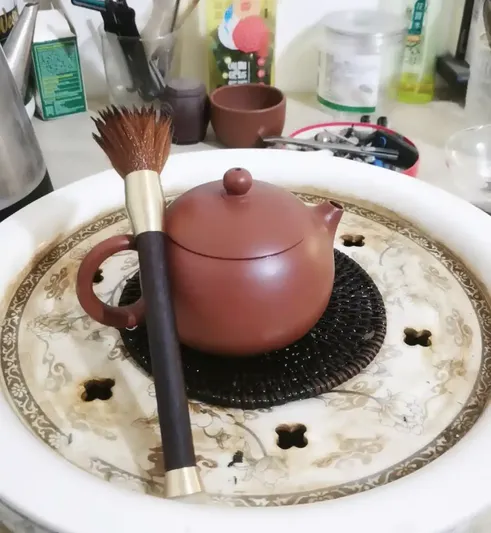
How to Clean Tea Stains Safely on Yixing Zisha Teapot
Tea stains are inevitable for regular Yixing Zisha teapot users. Many people confuse tea stains with natural patina. Thick, accumulated dark tea stains are different from soft, translucent patina. Dirty tea stains block the clay pores and bring sour or stale smell, while well-formed patina improves the tea brewing performance. It is necessary to clean…
-
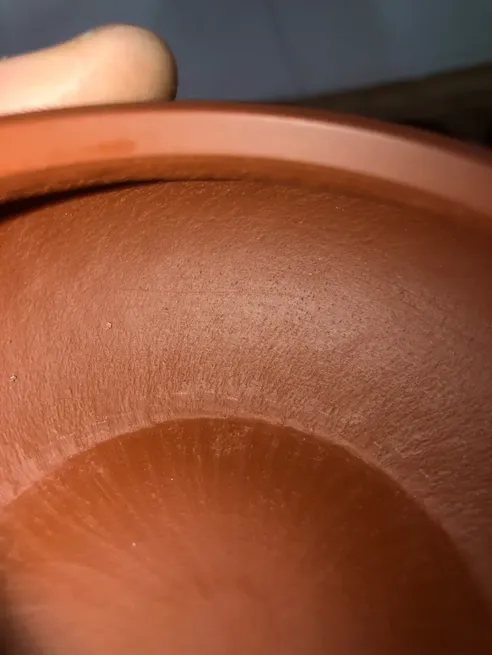
Differences Between Hand Thrown and Molded Yixing Zisha Teapot
When shopping for Yixing Zisha teapots, you will often come across two main production types: hand thrown pots and molded pots. Many buyers only focus on the price and appearance, without knowing how the production method affects the brewing experience and collection value. Even if two pots look almost identical on the outside, their clay…
-
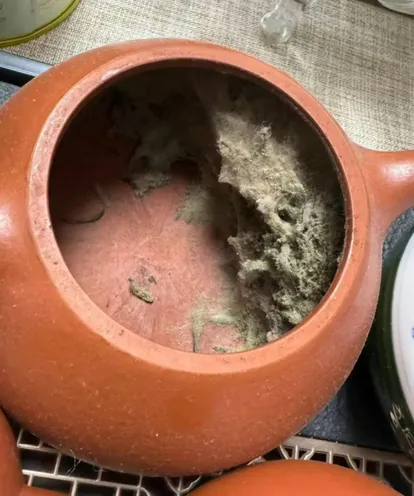
How to Spot Mold on Yixing Zisha Teapot and Fix It Safely
Yixing Zisha clay is porous, which is its biggest advantage for brewing tea, yet this feature also makes it easy to absorb moisture. If you store the pot wet or in a damp room, mold may slowly grow on the surface or inside the pot. Many new tea users confuse mold with natural patina, and…
-
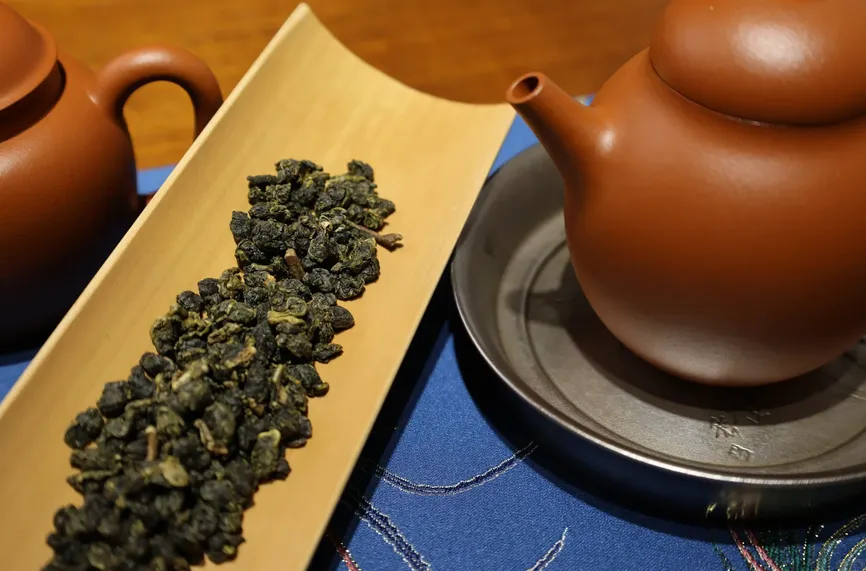
What Is The Best Water Temperature For Brewing Oolong In Yixing Zisha Teapot
Oolong tea covers a wide range of oxidation levels, from lightly oxidized green oolong to heavily roasted dark oolong. When using a Yixing Zisha teapot, water temperature is one of the key controls that shapes your final tea soup. The clay holds heat continuously, so the temperature you start with will have a bigger impact…
-
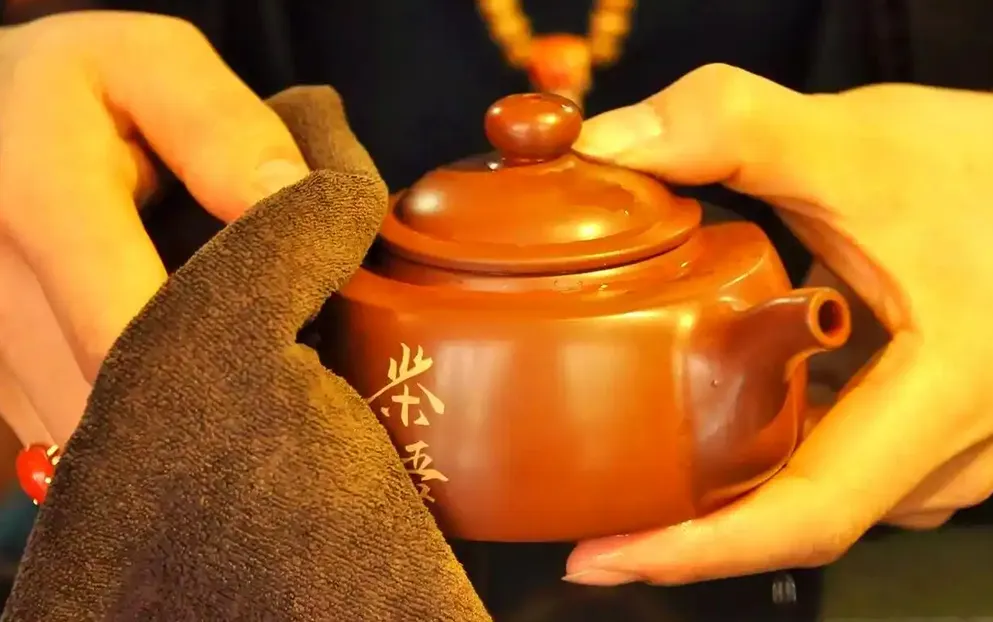
Handmade Yixing Teapot Maintenance Tips For Long Term Use
A handmade Yixing teapot is not just a brewing tool. With careful daily care, it can stay in great condition and slowly develop a warm, natural patina that makes every tea session more enjoyable. Many tea lovers accidentally damage their pots because of wrong cleaning or storage habits, and some even ruin the chance to…
-
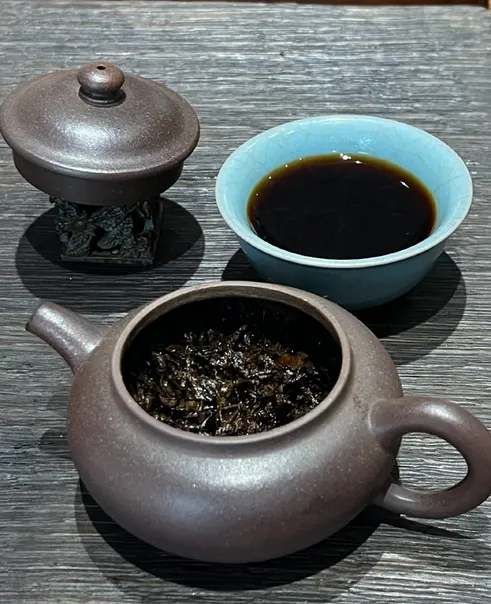
How to Choose Handmade Yixing Teapot for Ripe Puer Tea
Ripe puer tea is famous for its rich, earthy, mellow and smooth flavor. It needs a teapot that can hold steady heat, soften the stale taste and release the hidden sweet notes from the fermented tea leaves. A good handmade Yixing teapot is one of the best choices for this tea category, but not every…
-
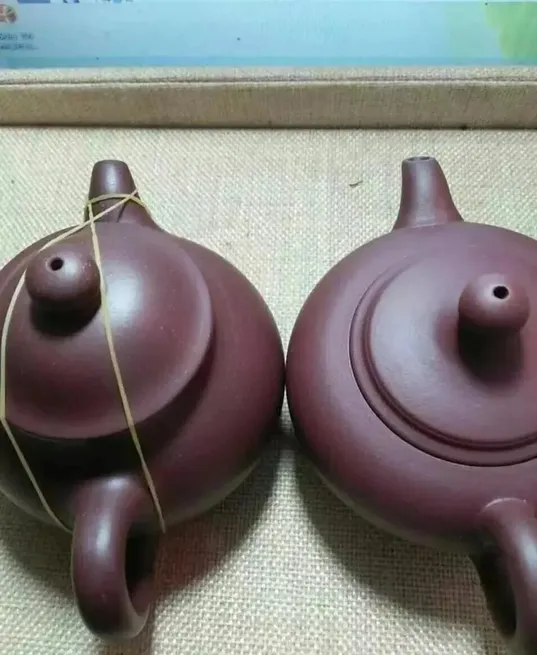
How to Tell If Yixing Purple Clay Teapot Is Over Fired
Firing temperature is one of the most critical factors that decide the final quality of a Yixing purple clay teapot. Every clay recipe has a suitable temperature range. If the kiln temperature goes far above this standard, the clay will be over fired. Many new buyers ignore this problem, only to find the pot cannot…
-
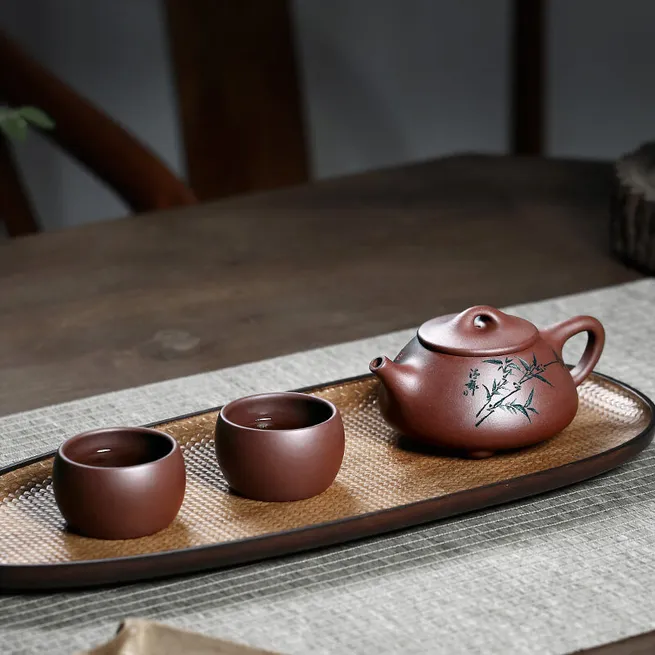
How to Choose Gongfu Tea Cup to Match Your Yixing Clay Teapot
Many tea lovers spend plenty of time selecting a satisfying Yixing clay teapot, yet ignore the matching gongfu tea cups. A good set of cups does not only look harmonious with the pot, it also affects how you feel the tea aroma and taste once the tea soup is poured out. Material is the first…
-
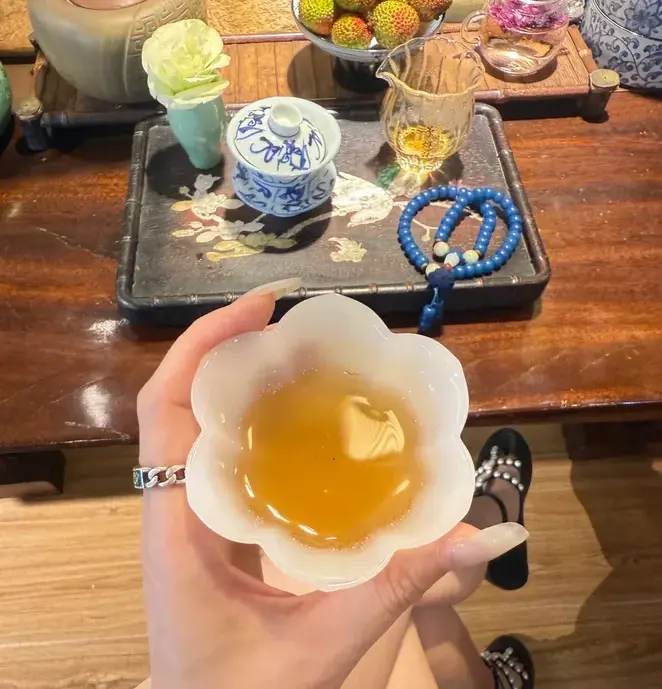
Why White Jade Porcelain Teaware Is Perfect for Brewing White Tea
White tea is known for its gentle, fresh floral notes and quiet honey sweetness. It is less fermented than oolong and puer tea, so its delicate flavor is easy to be covered or changed by the teaware material. Many tea lovers choose white jade porcelain for white tea, because it can present the original taste…