
Many new tea lovers feel overwhelmed when they first start exploring Zisha teapots. All you want is a teapot to brew tea, yet there are so many complicated rules, and you do not know where to begin.
Hui Liang cuts through confusing jargon and gives you direct, practical buying advice. You can head to our Zisha teapot product pages and use the filter tool following the suggestions listed below.
If you are a beginner or just need a teapot for daily brewing, you do not need to overthink it. Here are four simple recommendations:
1. Forming method: Traditional semi-handmade
2. Clay material: Zini clay or Qing cement clay
3. Teapot shape: Simple classic plain shapes (Xishi, Shipiao, Hanwa and more)
4. Capacity: Around 200ml
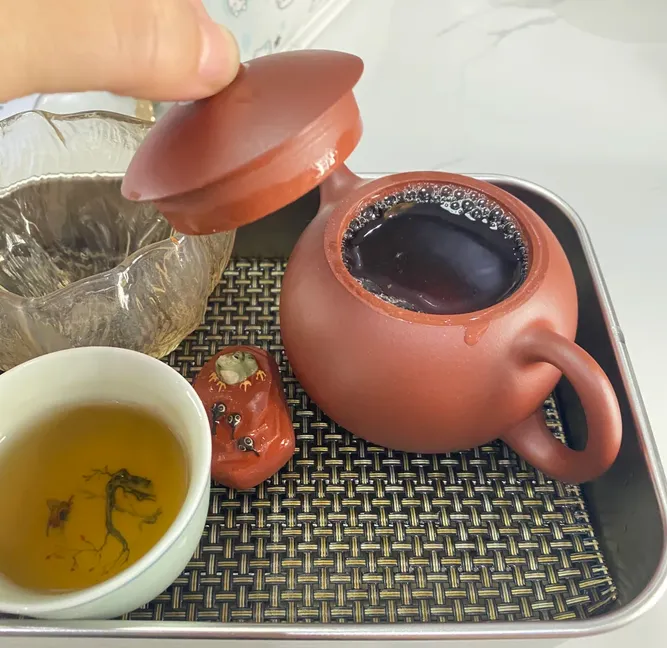
It is very difficult for new buyers to tell the difference between fully handmade and semi-handmade Zisha teapots. This skill takes time to learn. Do not chase fully handmade teapots blindly, as you will struggle to verify them and only create unnecessary stress.
Choose Zini clay or Qing cement clay. These clay types have lower risk of being fake. If you worry about patina care, Zini clay is the better pick. It has a deeper colour, is easy to patina, and works well with a wide range of teas, including raw and ripe Pu-erh, Tieguanyin, black tea and more.
A 200ml teapot is versatile. It suits solo drinking, and also works for 2 to 3 people. It makes one full pour for a main tea cup, or 2 to 3 small tasting cups for shared tea time.
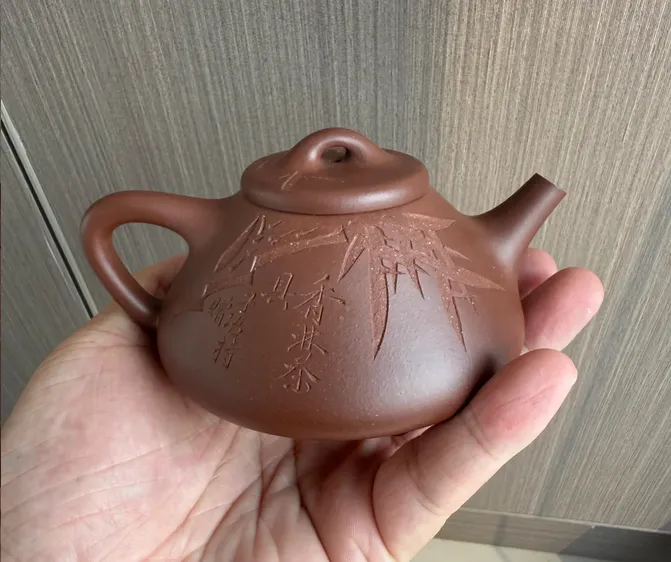
Classic plain round teapots are timeless, functional and easy to clean. Great options include Shipiao, Fangu, Xishi and Rongtian. Avoid ribbed teapots and square teapots at first, they are tricky to clean and maintain.
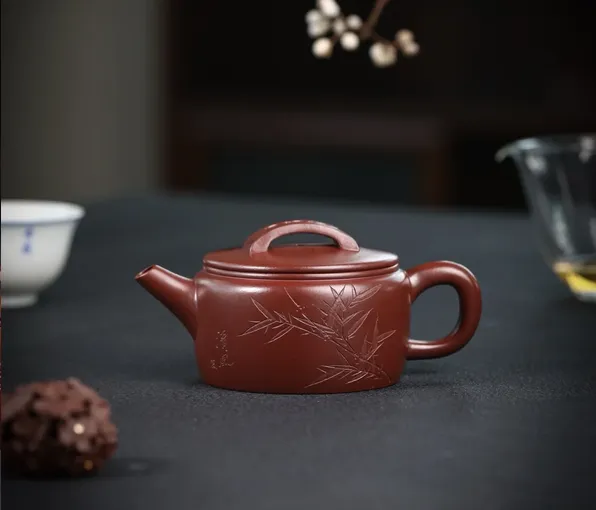
You do not need to focus on famous makers at the start. Simply check the finishing details, pick one that appeals to you visually and works well for brewing tea.