
For anyone shopping for a Zini teapot, learning to separate handmade pieces from machine pressed copies saves you from disappointment. Mass production makes identical pots at low cost, but they lack the subtle character and balanced brewing performance of genuine handcrafted Zini work. You do not need professional training, just a careful eye and gentle touch.
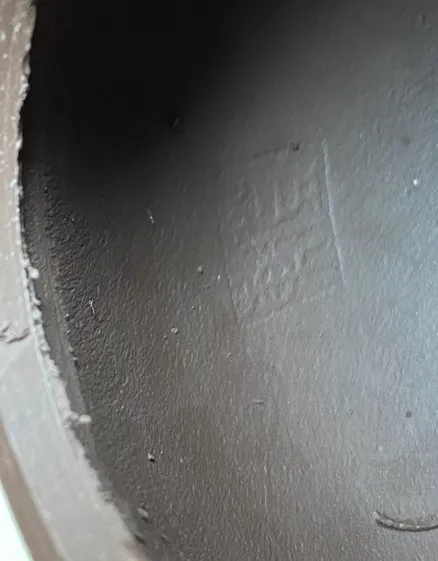
Start by checking the inner wall of the teapot. Machine pressed Zini pots usually have smooth, uniform surfaces with no uneven traces. Handmade pots often carry faint, irregular scraping marks left by the artisan’s tools. These marks are not flaws; they are natural signs of hand shaping. The joint line where the spout connects to the body is another good spot. On handmade works, the transition is softer and less perfectly symmetrical.
Next, examine the lid fit. Machine-made lids fit too perfectly, sliding without any tiny resistance. A well-made handmade Zini teapot still closes smoothly, yet you may notice minor variations in the gap all around the rim. Lift the lid gently and listen. A quality handmade Zini teapot will produce a clear, muted tone when the lid touches the rim, unlike the dull flat sound from cheap pressed clay.
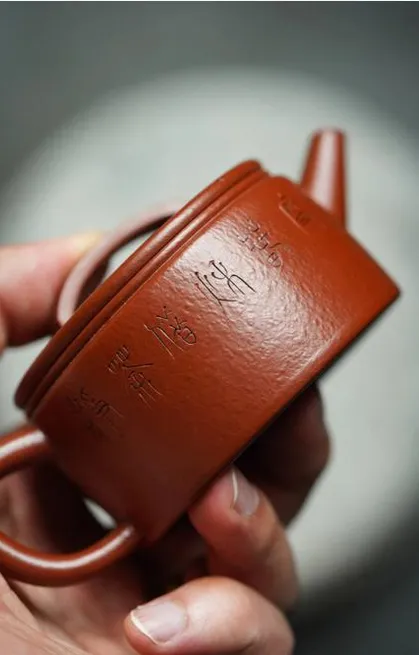
Weight is also a useful reference. With the same shape and size, handmade Zini teapots usually feel solid and balanced in your palm. Machine pressed versions often feel lighter or strangely uneven in weight distribution. Keep in mind that high price alone is not proof of handwork. Always combine these small checks before you decide to bring a Zini teapot home.
Leave a Reply