
Raw pu-erh has sharp, lively, layered flavors that demand careful control of heat and infusion speed, so tea lovers often wonder if a Zini teapot is a good match. Zini clay is dense and fine-grained after firing, which holds heat steadily. This trait can boost the sweet notes of raw pu-erh, yet it also brings a few challenges that you need to understand before brewing.
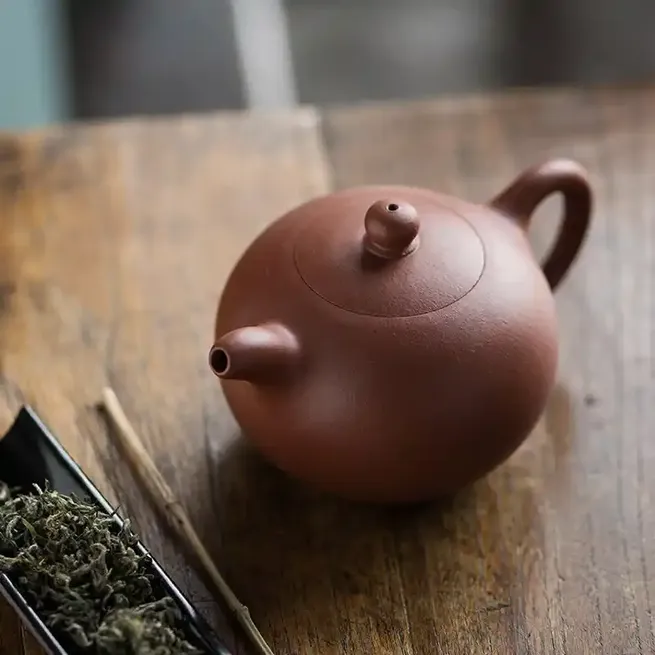
Compared with porous purple clay, Zini does not absorb tea compounds quickly. That means the original bright, herbaceous taste of raw pu-erh will not be softened too fast. For well-stored aged raw pu-erh, this is a great benefit. Stable heat brings out honey sweetness and fruity depth without blurring the unique character of the tea. However, newly produced raw pu-erh with strong astringency may turn bitter easily inside a Zini pot.
When brewing young raw pu-erh in Zini teapot, shorten each infusion time. Do not let leaves sit in hot water longer than necessary. Keep your water temperature around 95℃ instead of full boiling heat if the tea is harsh. Quick pouring is the key to avoiding heavy tannins.

As always, it is wise to assign this pot to one type of tea only. If you use it for raw pu-erh, avoid brewing heavily roasted oolong or ripe pu-erh in it later. Cross-contamination of flavors will ruin the clean, refreshing profile that raw pu-erh is loved for. If you prefer bold, mellow aged raw pu-erh, a properly sized Zini teapot can become one of your favorite tools for gongfu tea.
Leave a Reply