
Many tea lovers judge a Zini teapot mainly by its clay color or overall shape, but the spout is one of the most functional parts. Even a beautiful pot with poor spout craftsmanship will drip, splash or stall while pouring, which ruins the calm rhythm of gongfu tea. Knowing what makes a great spout helps you pick a practical Zini teapot instead of one that only looks nice on display.
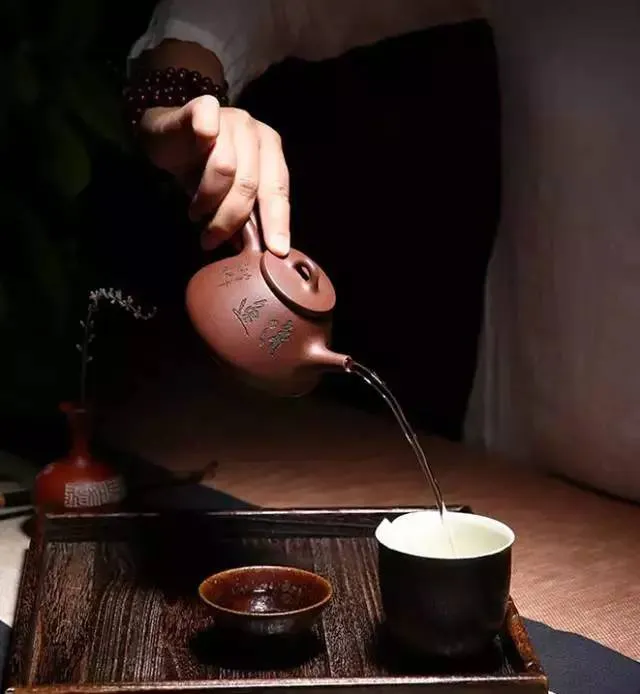
First, check the opening shape of the spout. A neat, trimmed lip with a slightly thin edge usually delivers a clean water flow. Thick, uneven spout edges often lead to dripping after you stop pouring. The inner channel matters too. Quality handmade spouts are carefully hollowed out, with a smooth, unobstructed tunnel from the pot interior all the way to the tip. Rough leftover clay or narrow, twisted tunnels will slow the flow and trap tea grounds.
The angle and height of the spout work together with the lid and handle. A properly aligned spout lets the liquor flow steadily in a single soft stream. It should not be too low, which causes weak flow, nor too high so that liquid splashes out violently when you tilt the pot. When you test pour, the stream should break cleanly the moment you set the pot upright, with no trailing drops running down the outer wall.
It is also helpful to look at the connection point where the spout joins the pot body. Handmade Zini teapots show natural blending at this joint, without obvious sharp seams. A poorly attached spout may loosen over years of heating and cooling. Keep in mind that perfect spout performance takes careful testing. A pretty spout does not guarantee good pouring, so always test the flow whenever possible. A well-made spout turns every tea pour into a smooth, pleasant part of your tea ritual.
Leave a Reply