
Yixing purple clay is mainly divided into four major categories: Zini (purple clay), Hongni (red clay), Lvni (green clay) and Duanni (segment clay). Each type carries unique physical traits and matches different teas. Today, Hui Liang breaks them down clearly for tea lovers.
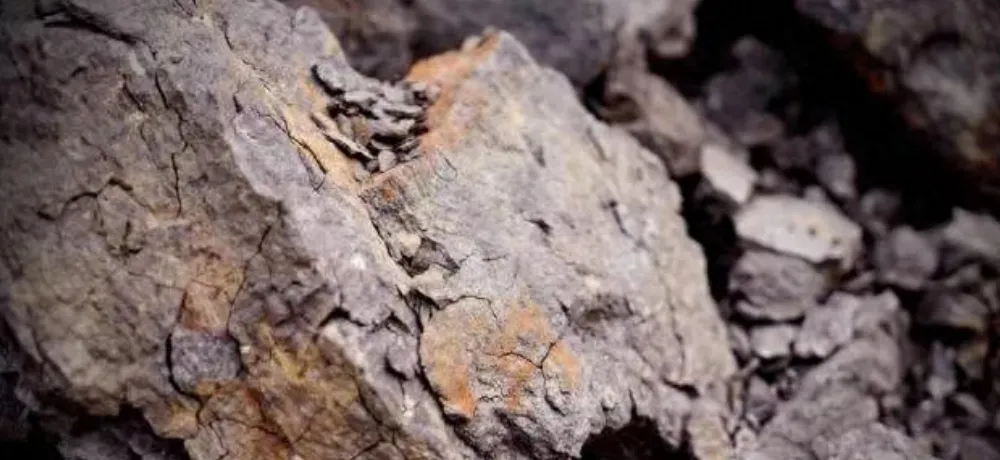
1. Zini (Purple Clay): All-round option, best for beginners
Zini is the most abundant and widely used base clay for Zisha teapots and the safest pick for new collectors. Famous variants include Qing Shui Ni, Tian Qing Ni, Di Cao Qing and Hong Pi Long. It has moderate sand texture and an excellent dual-pore structure, balancing air permeability and heat retention perfectly. It softens liquor without dissipating fragrance excessively, compatible with nearly all tea types: ripe Pu-erh, aged white tea, rock tea, black tea and raw Pu-erh. It develops warm, simple patina with use and gains richer texture over time. Di Cao Qing, premium Zini, features pure fine texture and high iron content, cool to touch, and matures into a calm deep tone, favored by seasoned tea drinkers for daily use. Qing Shui Ni offers great value and stable performance, very forgiving for new tea brewers.
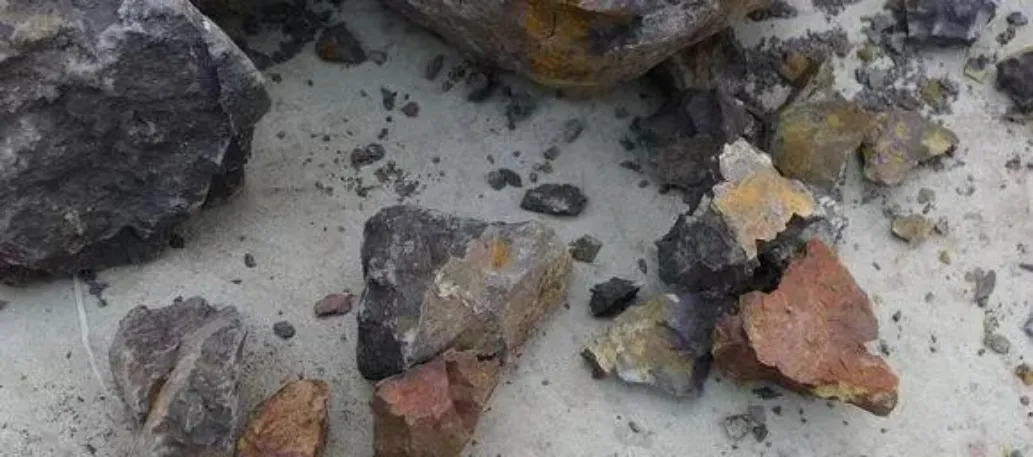
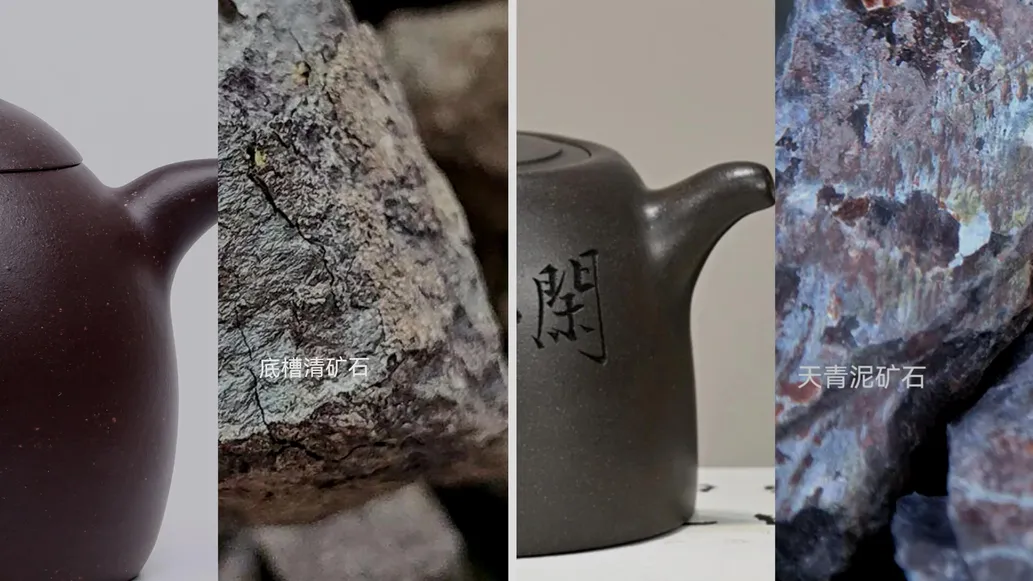
2. Hongni (Vermilion Clay): King for high-aroma teas
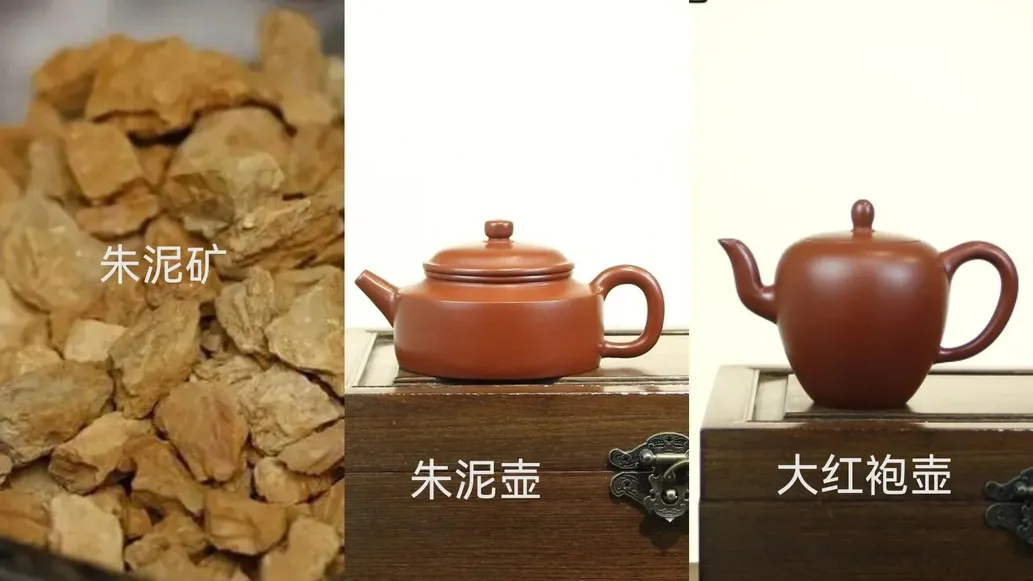
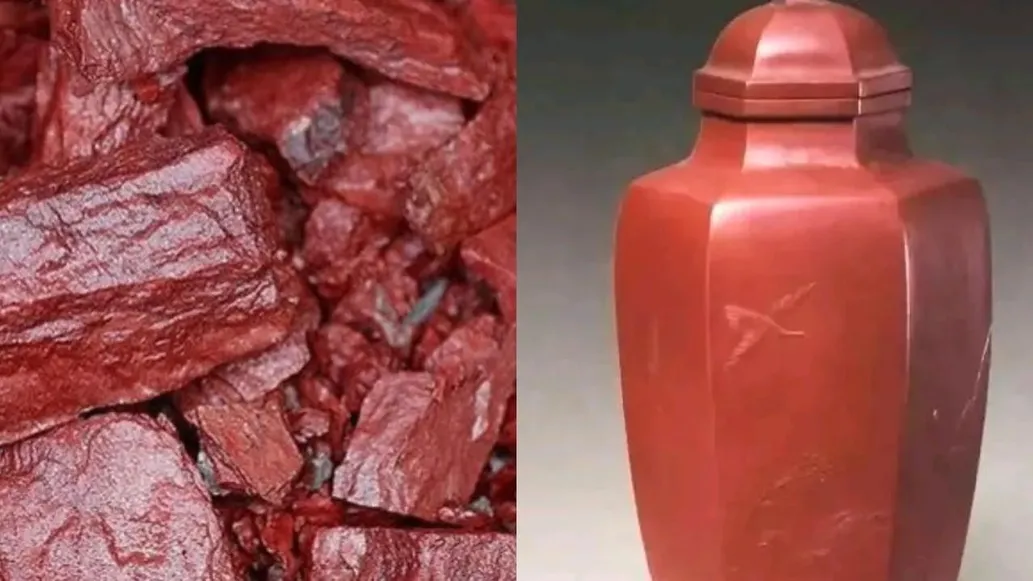
The most popular subtype of Hongni is Zhuni (vermilion clay); small red clay and Da Hong Pao clay also fall into this group. The clay is dense and fine with tiny pores, outstanding at locking in fragrance. When brewing high-scent oolongs such as Wuyi rock tea and Fenghuang Dancong, it preserves bright aroma and highlights layered flavours of tea soup. It has clear downsides: high shrinkage rate makes firing difficult with low yield, so it usually costs more than regular Zini for the same craftsmanship. Zhuni teapots have thin walls and conduct heat fast, which may burn hands if new users fail to control water temperature. Avoid sudden temperature shifts to prevent cracking. It suits tea lovers with some teapot experience.
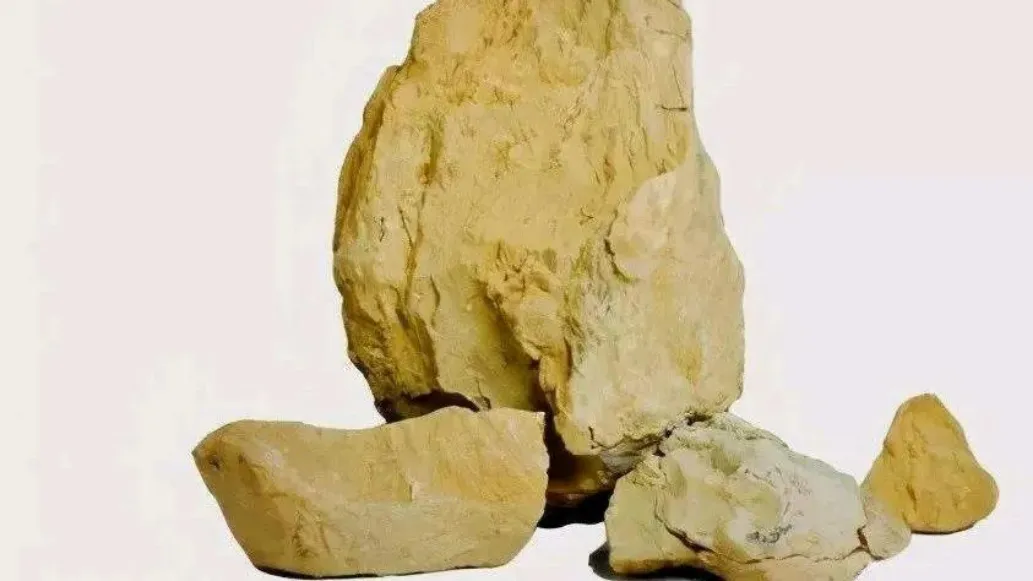
3. Duanni (Segment Clay): Mixed ore, beautiful appearance
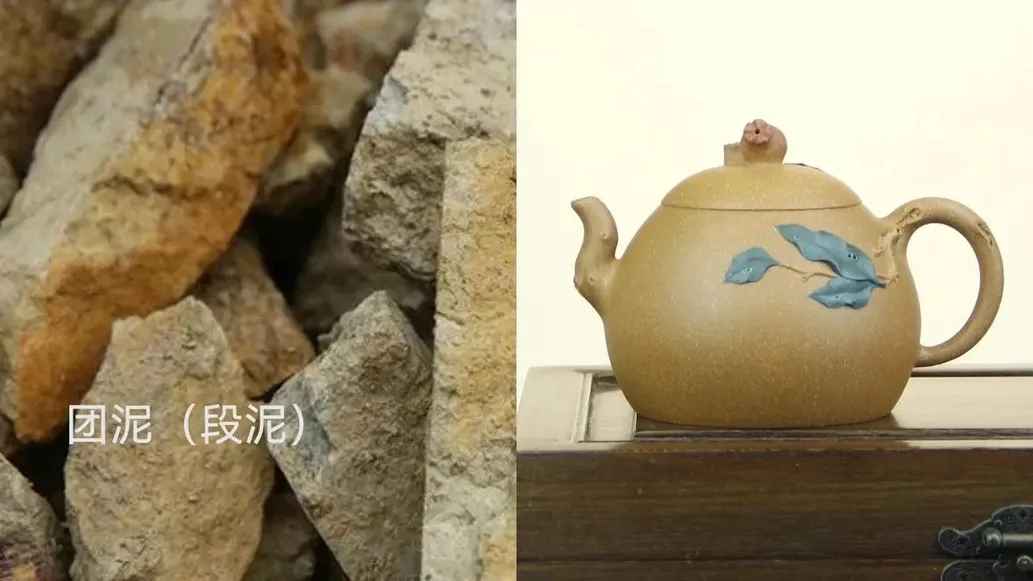
Duanni is a symbiotic ore of Zini and native green clay, also known as Tuan Ni. Common kinds are golden Duanni, sesame Duanni and grey-green Duanni. After firing, it shows beige or pale cyan tones with soft, elegant texture and fresh visual appeal. It breathes well and looks stunning when brewing light-coloured teas like green tea and raw Pu-erh, letting you watch tea leaves unfurl. Its weakness is relatively loose body structure that easily absorbs tea stains. Long-term brewing of dark teas such as ripe Pu-erh and dark tea will gradually darken the pot surface. Choose carefully if you care much about maintaining its light look.
4. Benshan Lvni (Native Green Clay): Rare premium clay for collection
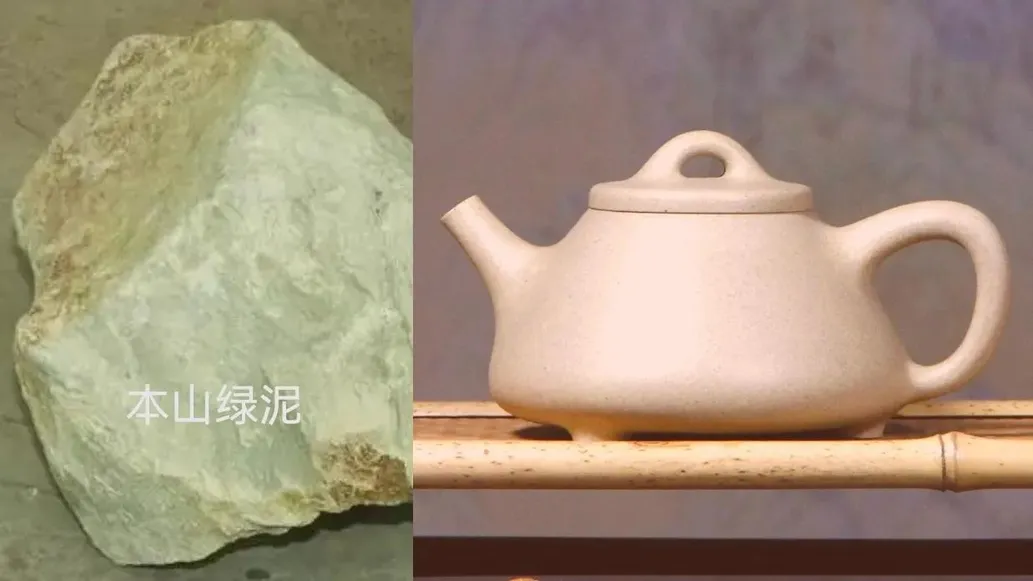
Benshan Lvni comes from shallow ore layers of Huanglong Mountain. It is scarce, fine and mild with soft pale colour and superb breathability. It does not overpower tea flavour and works well for most teas. Due to limited natural supply, imitations and chemically treated substitutes are common on the market with high price premiums. It is not recommended for beginners, better for advanced collectors.
Quick buying guide: Pick Zini for home use if you switch between many teas. Choose Zhuni if you mainly brew fragrant oolong. Go for Duanni if you love its light look and drink green tea or raw Pu-erh most. Consider Benshan Lvni only if you pursue rare, premium clay. No clay is inherently good or bad without matching your tea. The right one is the one that fits what you usually brew.