
Many new tea lovers get stuck between clay types and teapot shapes when buying their first Zisha teapot. We have covered clay selection in our earlier articles. Today, Hui Liang focuses on how you can pick the best teapot shape.
In theory, any shape can brew any tea. If you are casual about tea, just choose whichever shape appeals to you visually. But if you chase perfect flavor, the right teapot shape elevates your brew significantly. Clay is the bone and flesh of a Zisha teapot, while shape is its soul. Only a well-matched shape can truly bring out the best character of your tea. Below we explain how to select teapot shapes, and which styles you may want to avoid.
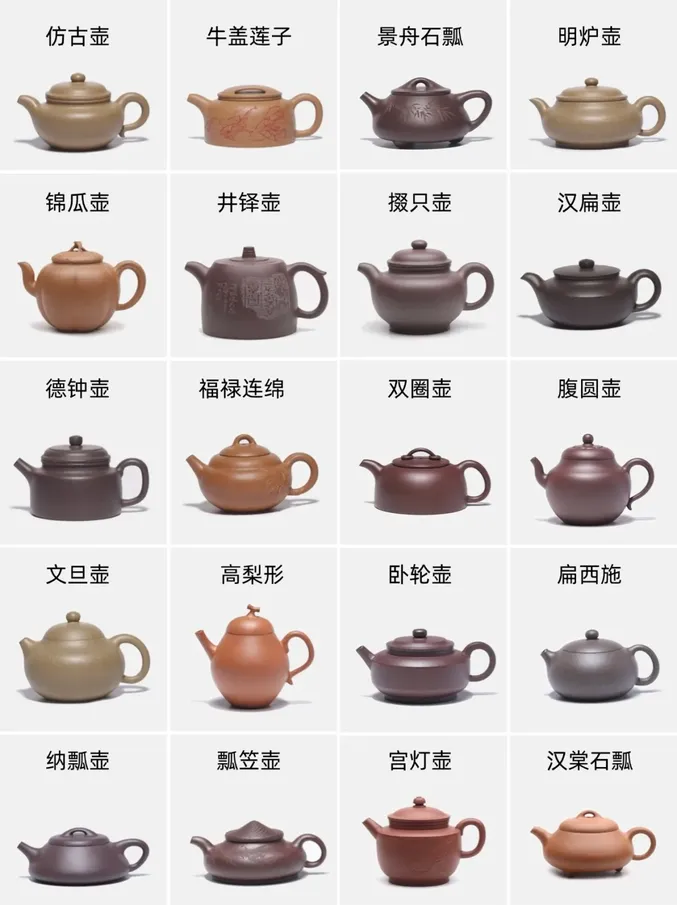
A teapot shape changes your infusion through three core physical factors:
1. Belly Size: Controls space for tea leaves to unfurl
This is the most straightforward factor. A wider belly gives tea leaves more room to expand, so flavor compounds release evenly and fully. If the belly is narrow, leaves pack tightly together. Inner layers cannot touch the water properly, leading to thin, uneven-tasting liquor.
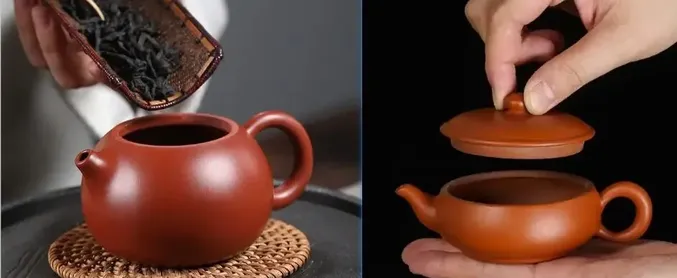
2. Opening Diameter: Affects convenience and airflow during brewing
A wide opening makes adding tea and cleaning easy, and also lets heat escape faster while pouring. It suits teas that do not need heavy steeping. Narrow openings retain heat better, ideal for teas that require high temperature to release aroma. Easy cleaning also keeps your teapot hygienic long-term.
3. Body Height: Alters water temperature and contact with tea leaves
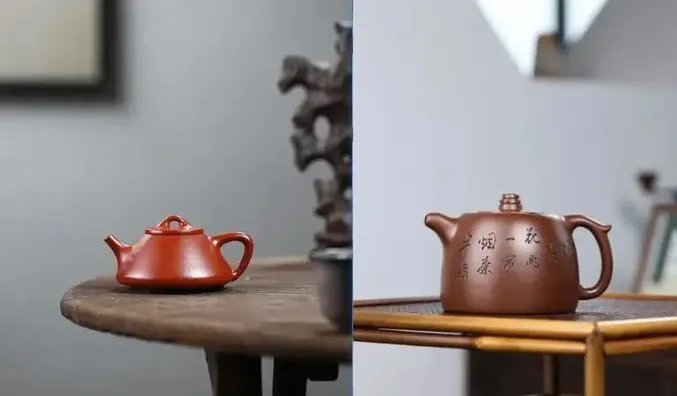
Tall teapots such as Handuo and Jinglan create stronger water impact and internal steam circulation. They work well for teas that need deep extraction. Low, flat teapots like Shipiao and Fanggu lose heat more quickly, perfect for fast pouring to prevent over-steeping.
Teapot Shape Matches for the Six Major Tea Categories
With these rules in mind, we can pair shapes to each tea type’s traits:
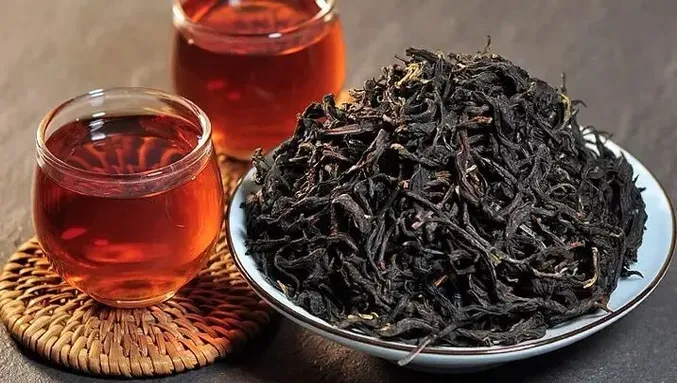
1. Black Tea – Gentle Unfurling, No Over-Steaming
Black tea is fully fermented, known for sweet honey, fruit and potato notes. The goal is enough room for leaves to open, with moderate heat to avoid sourness.
Recommended shapes: Xishi, Wendan, Longdan teapots. Their round, full bellies give tight twisted black tea space to unfurl for mellow flavor. The fitted wide lids balance heat retention and ventilation.
Avoid tall cylindrical pots such as Handuo or beam-handled teapots. Trapped heat easily makes black tea sour and bitter.
2. Pu-erh Tea – High Heat, Full Saturation
Pu-erh, especially aged pu-erh, calls for boiling hot water to unlock depth and suppress unwanted raw odors.
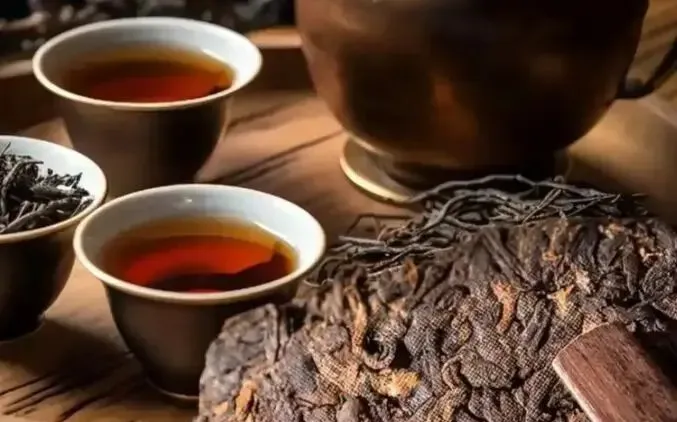
Recommended shapes: Shipiao, Fanggu, Duozhi. Shipiao’s low wide base absorbs heat steadily. Fanggu and Duozhi have large rounded bellies for compressed pu-erh chunks to expand while holding steady high temperature to bring out aged wood and earthy aroma.
Avoid small slim Shuiping pots (80–120ml). They cool too fast and cannot draw out rich, layered flavor from aged pu-erh; these small pots are better for fragrant oolong.
3. Oolong Tea – Lock and Boost Aroma, High Pouring
Fujian and Guangdong oolong teas rely on high heat, fast infusions and concentrated aroma.
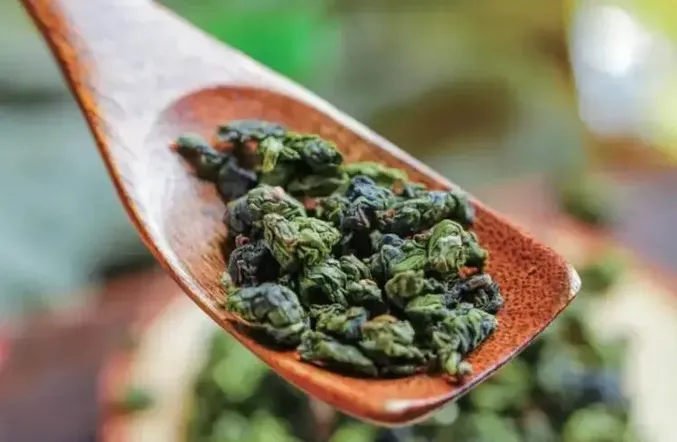
Recommended shapes: Shuiping, Pear-shaped, Siting teapots. Small capacity (100–150ml) traps fragrance tightly. Pear-shaped designs deliver forceful water flow for high pouring, ideal for releasing oolong’s bright scent. They are commonly made from dense Zhuni clay that heats up rapidly.
Avoid oversized pots over 300ml. Heat and aroma disperse in large space, weakening oolong’s signature penetrating fragrance.
4. Green Tea – Cool and Breathable, Prevent Yellowing
Green tea is non-fermented and hates overheating, which kills its fresh brisk taste and turns leaves yellow. Zisha can still work with the correct shape.
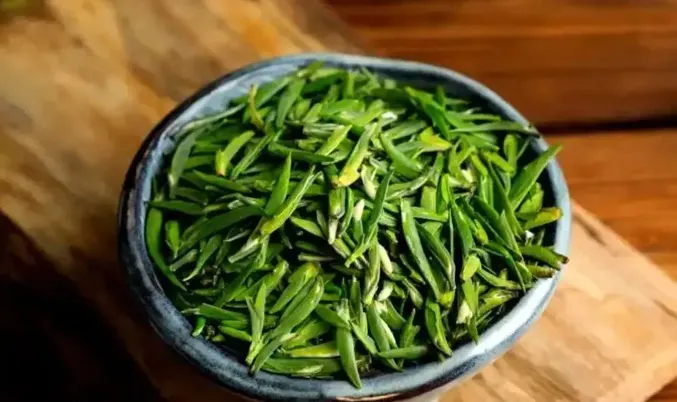
Recommended shapes: Wide-mouth flat pots such as Hanwa and Xubian. The wide opening releases heat quickly, and the flattened belly spreads leaves out for very short steeping. Many seasoned brewers leave the lid slightly ajar for extra cooling.
Avoid tall, narrow pots like Handuo and Lianzi. They trap heat like a steamer and ruin green tea’s delicate freshness.
5. White Tea – Adjust Based on Fresh or Aged Leaves
Silver Needle and premium fresh White Peony: Treat like green tea; choose wide flat pots to protect delicate hair aroma.
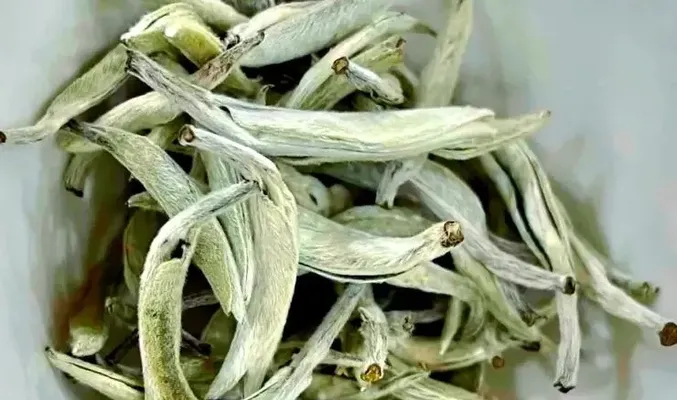
Fresh Shoumei and Gongmei: Thicker, tougher leaves need slightly warmer conditions. Fanggu and Shipiao with moderate heat retention work well.
Aged white tea: Brew like aged pu-erh, use Shipiao or Fanggu to maintain high steeping temperature.