
Patina is one of the most talked-about features of a Yixing Zisha teapot. New collectors often chase a glossy, warm surface, but many do not understand exactly what real patina is and how it develops over time. It is not a coating, paint or oil that you can apply directly onto the clay.
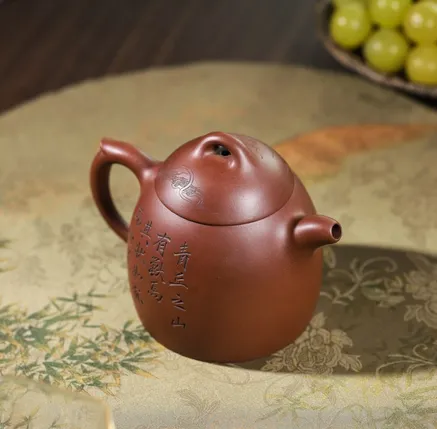
Natural patina comes from long-term tea brewing. Every time you pour tea into the pot, tiny tea oil molecules seep into the porous clay. After repeated use, these deposits build up slowly inside the surface pores. With regular wiping and air drying, the pot develops a soft, subtle sheen. It takes months or even years to form, and the effect varies based on clay type and tea you brew.
Fake patina, by contrast, is made quickly. Some sellers rub oil, wax or chemical polish on new pots to create a shiny look in a short time. This artificial gloss looks greasy and uneven. It will not improve the tea flavor, and the wax can clog the clay pores permanently. Once blocked, the teapot loses its unique breathing property.
A good habit to nurture patina is simple. Stick to one single tea type for the pot, pour leftover tea over the surface while brewing, and wipe it gently with a clean cloth after each session. Do not rush the process. You cannot get a fine patina by soaking the pot in tea for days on end.
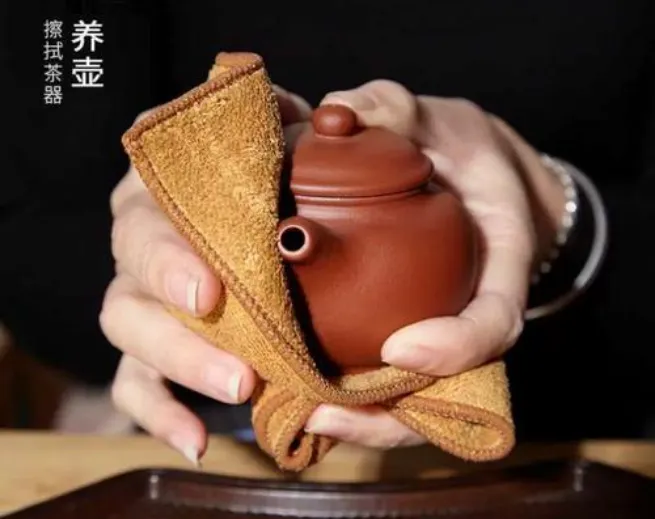
Keep in mind that patina is a bonus, not the main goal of using a clay teapot. Even if your pot never gets a heavy shiny layer, it still works well for brewing tea. If you focus too much on speeding up patina, you may accidentally damage the clay and ruin your teapot.
Leave a Reply