
What Zisha Teapots Can You Get at Budgets of 1000, 2000 and 3000 RMB
I get asked this question constantly by new tea friends: “Hui Liang, I have a limited budget and simply want a pot to brew tea. Honestly, what kind of teapot can I get for this amount?” I have heard this question for nearly eight years.
Zisha teapots range from a few hundred to hundreds of thousands of RMB. The market may seem complicated, but casual tea drinkers only need to understand three core price brackets: 1000, 2000 and 3000 RMB.
As someone working in the Zisha industry, I will clearly explain what you can buy at each tier, where your money goes, and which teapots you should avoid. All prices here are quoted in Chinese RMB; international readers may convert to your local currency. Save this article and reference it before buying, and you will greatly reduce your risk of bad purchases.
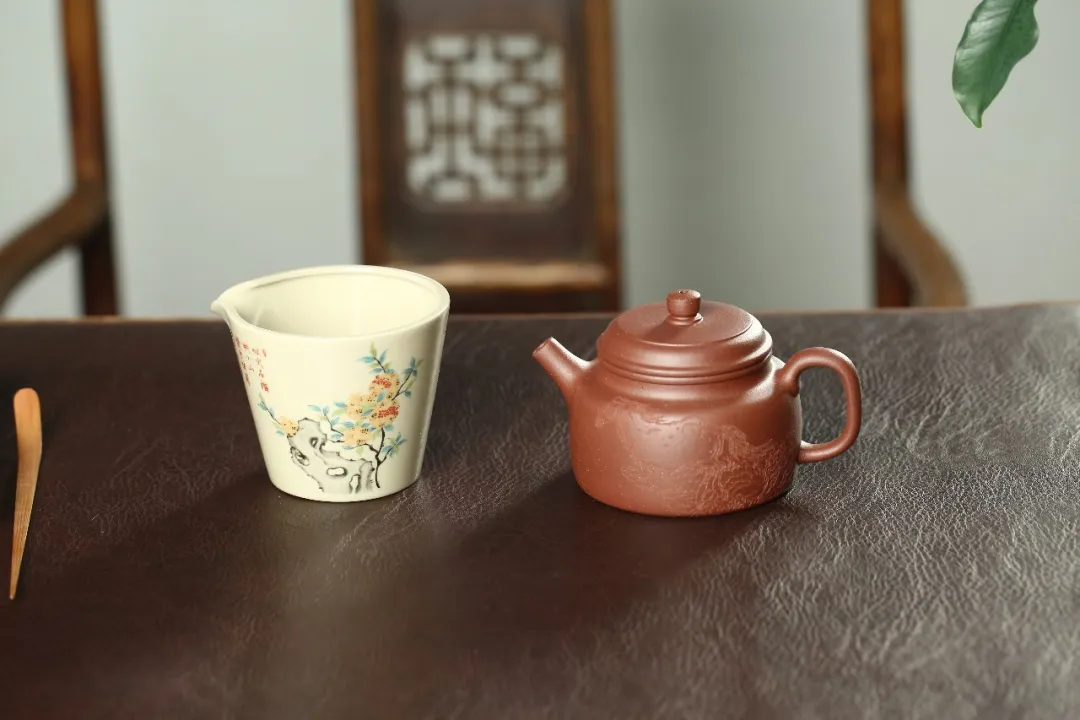
1000 RMB Tier: Buy a Practical Teapot
To cut to the point: at this budget, forget about famous masters or rare clay materials. Your only goal is to find a genuine handmade teapot made of authentic local ore clay.
Stick to classic plain shapes such as Xishi, Shipiao, Shuiping, Hanwa and Fugu. These designs have stood the test of hundreds of years. If well-made without obvious defects, they work well for nearly all teas. Beginners are unlikely to make serious mistakes picking these timeless styles.
Watch out for misleading marketing. Some sellers offer pots labelled “Da Hong Pao” or “Republic of China Green” for the same price. Truthfully, premium Da Hong Pao clay teapots cannot be sold at this price. Steer clear of pots with overhyped names sold at suspiciously low prices.
At this price point, authenticity is worth more than any fancy marketing label.
2000 RMB Tier: Invest in Better Clay and Craftsmanship
The extra money moving from the 1000 RMB tier to 2000 RMB mainly goes into clay quality and handwork.
Zisha clay requires ageing. After refining, clay is stored in humid conditions for long-term maturing, known in the trade as “clay curing”. Well-aged clay is more malleable. Once fired, it delivers deeper colour and richer oily texture, giving the teapot a lively feel in your hand.
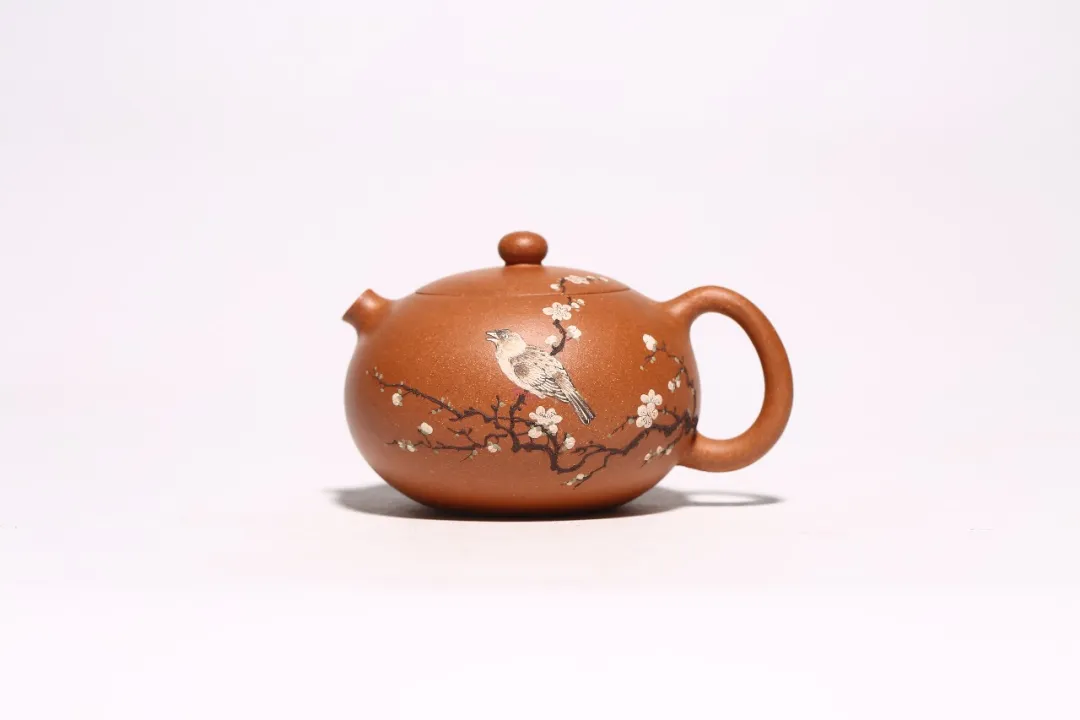
At 2000 RMB, you can usually get properly aged quality clay paired with superior craftsmanship. The difference is easy to spot even for amateurs. Compare two Xishi or Dezhong teapots side by side; the finely crafted version carries a noticeably different presence. A teapot taking seven days to complete shows far finer details than one rushed out in three days.
This tier is my top recommendation for beginners who want a satisfying pot without overspending. For most people who enjoy serious tea drinking, it offers the best value.
3000 RMB Tier: Buy Form and Artistic Spirit
At a budget of 3000 RMB, clay quality is no longer the limiting factor. Differences between pots lie in subtle qualities that are harder to describe.
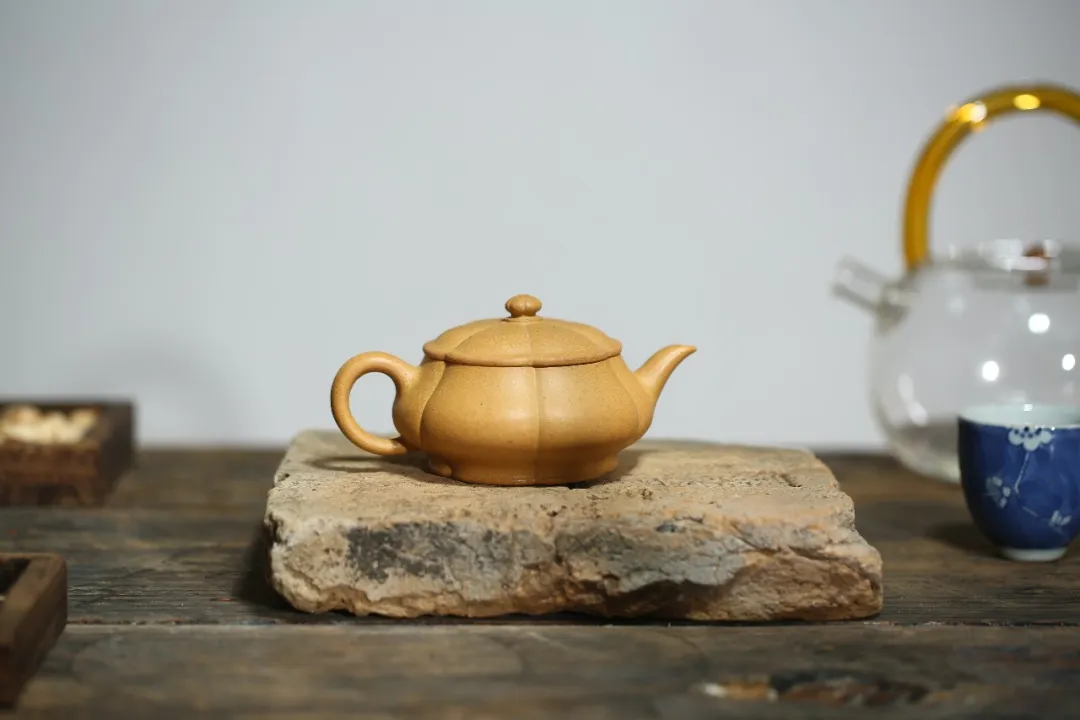
Does the pot stand upright? Are the spout and handle balanced in visual strength? Does the whole piece feel alive, or is it just an ordinary vessel? Insiders call this quality artistic spirit or vitality. It cannot be mass-produced by machines. It comes from decades of a craftsman’s experience, repeatedly adjusting every curve until every line feels harmonious. Well-made fully handmade teapots with premium raw materials naturally come with higher costs.
Final Practical Advice for Teapot Buyers
First: 1000 RMB buys authenticity, 2000 RMB buys premium clay and craftsmanship, and 3000 RMB buys artistic vitality. Figure out your needs before purchasing.
Second: If your budget is tight, wait rather than spending money on fancy packaging and marketing names. A beautiful gift box will not improve your tea flavour.
Third: Purchase from established studios or reputable sellers. A Zisha teapot is meant to be used and cherished for many years. Being able to reach the seller if issues arise matters even more than the pot itself.
Leave a Reply