
Month: October 2026
Recent Categories
Recent Posts
Post Archive
Category Tags
Follow Us
-
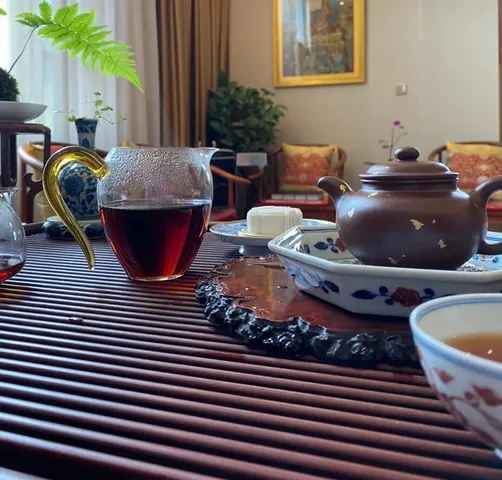
Why Yixing Zisha Teapot Works Great for Ripe Pu-erh Tea
Choosing proper tea ware plays a key role in making tasty ripe pu-erh. Many seasoned tea lovers prefer a Yixing Zisha Teapot for this tea. Its purple clay has a unique double-pore structure, delivering better air permeability than porcelain. This breathable feature helps absorb unwanted earthy or stack notes in the tea liquor, making ripe…
-
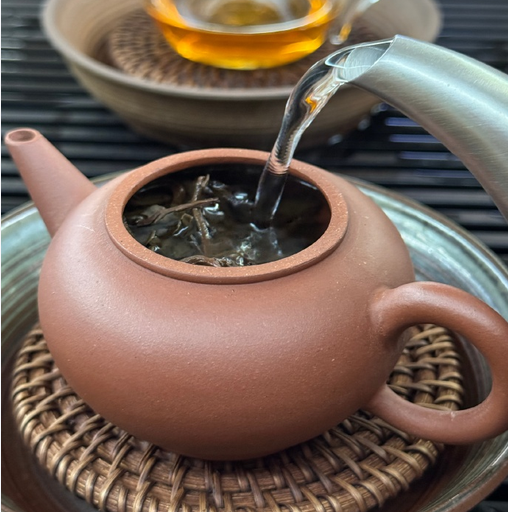
Can a Yixing Clay Teapot crack during boiling water brewing
Boiling water itself will not automatically crack a well-made Yixing Clay Teapot. Cracking usually comes from rapid temperature change instead of high heat. If the pot is cold and you pour boiling water straight in without preheating, thermal stress builds up inside the clay body. Thin wall pots and Zhuni clay teapots are much easier…
-
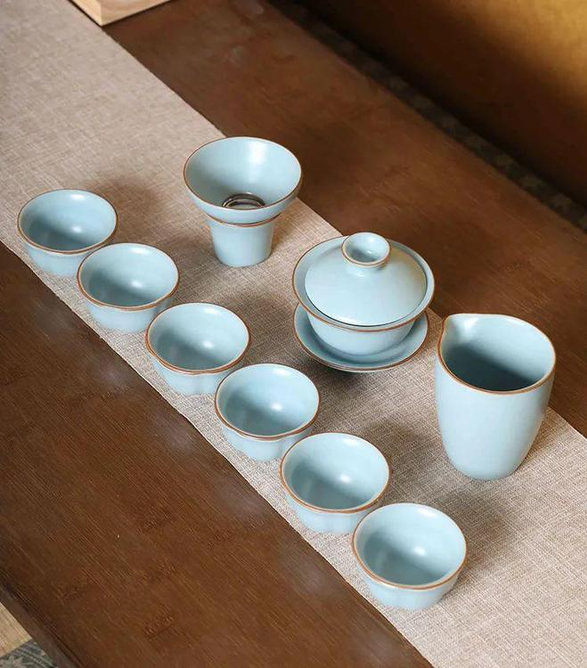
What makes Ru Kiln celadon highly valued among tea collectors
Ru Kiln celadon has fascinated tea collectors for decades, and its reputation goes far beyond simple decoration. What makes it special is the balanced soft tone of the glaze, paired with delicate natural crackle that evolves with use. Many porcelain styles have bright, bold colors, but Ru ware carries a quiet, restrained beauty that fits…
-
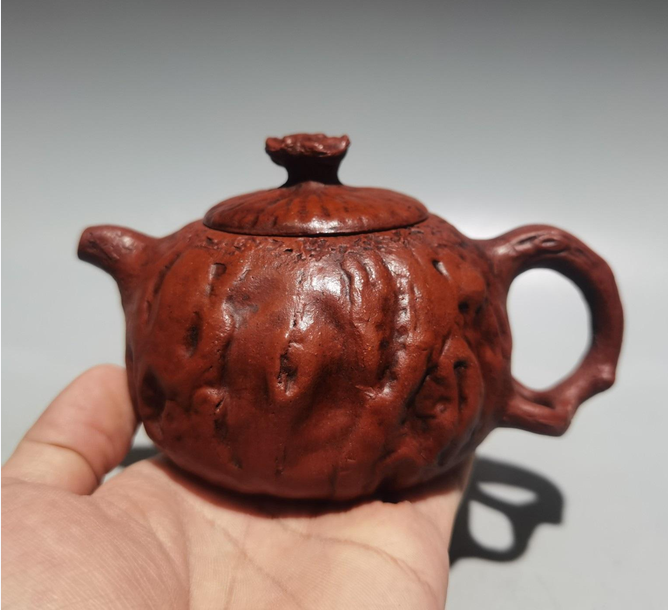
Common myths about patina formation on Zisha teapots
Plenty of tea lovers hear many misleading stories about Zisha teapot patina online. Some of these old myths confuse new collectors and push them to use improper ways to speed up the aging process. Understanding the truth helps you protect your pot and build patina the right way. One popular myth claims pouring tea all…
-
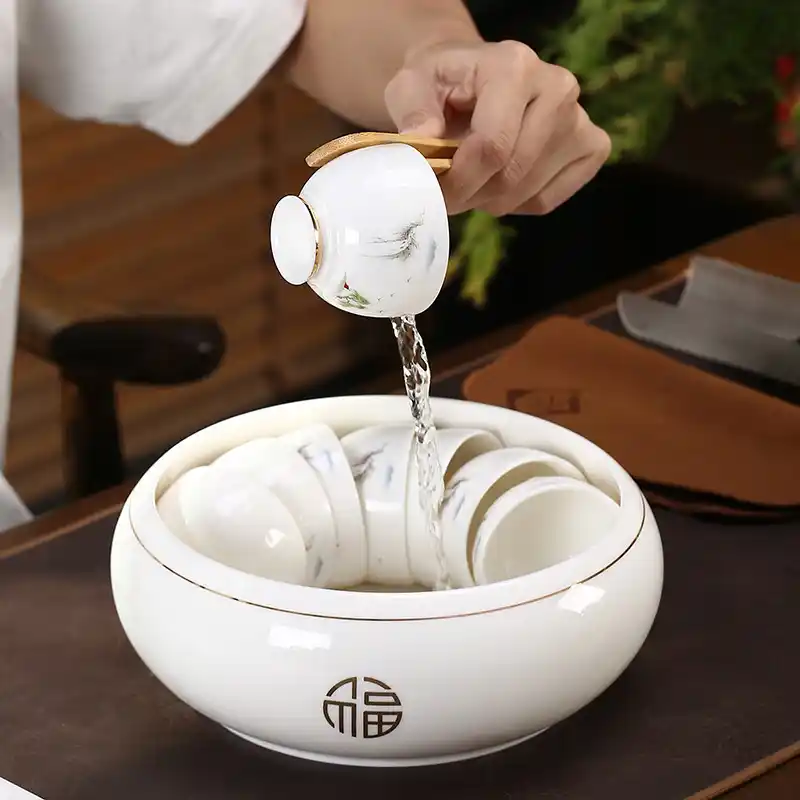
How to clean and maintain your White Jade Porcelain tea set
White Jade Porcelain tea sets have dense, non-porous glaze, which makes daily care much easier than clay tea ware. Still, proper cleaning habits help preserve its soft jade-like finish and avoid stubborn tea stains building up over time. Always clean the set right after your tea session. Rinse each piece with warm clean water. You…
-
Guide to identifying genuine hand sculpted Zisha tea pets
Hand sculpted Zisha tea pets carry unique charm that factory molded pieces cannot replicate. Many collectors focus only on appearance, but subtle carving details are the key to recognizing authentic handwork. Mass-produced tea pets have uniform, smooth lines, while hand sculpted items hold tiny natural variations on every curve. Take time to check small areas…
-
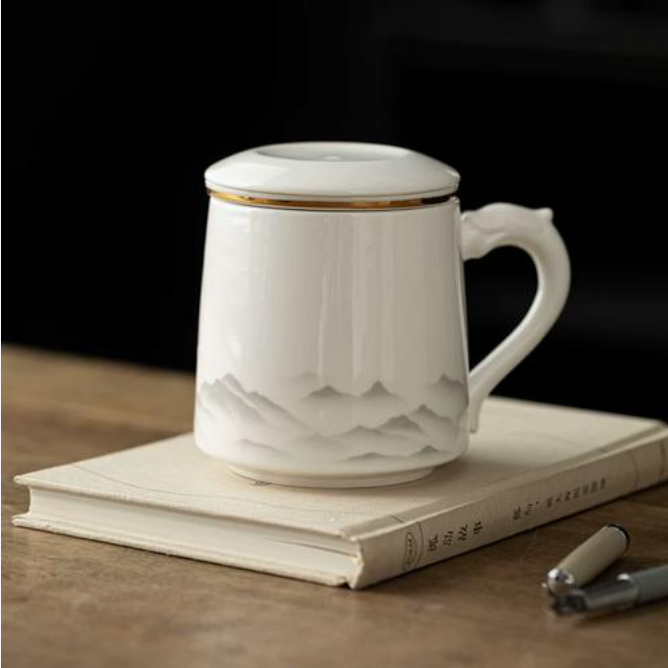
Why White Jade Porcelain has such warm and jade-like luster
White Jade Porcelain gains its famous gentle luster from careful material selection and precise high-temperature firing. The formula uses refined porcelain ingredients to reduce impurities, creating a dense and smooth base body. After glazing, the ware goes through high heat inside the kiln, melting the glaze into a seamless, soft covering instead of a harsh…
-
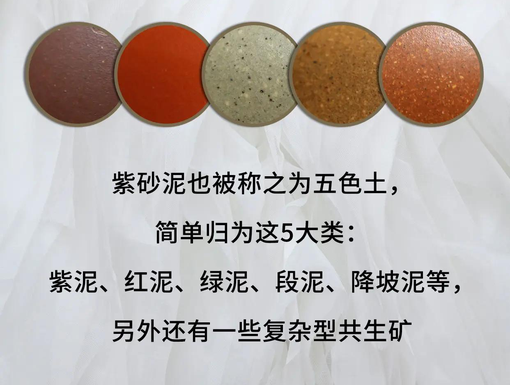
Difference between duanni clay and zhuni clay Yixing teapots
Duanni clay and zhuni clay are two popular raw materials for Yixing teapots, and many tea fans get confused when choosing between them. These two clays come from different ore layers, leading to big differences in appearance and tea brewing performance. Zhuni clay features a rich reddish-orange color after firing. The clay grain is fine,…
-
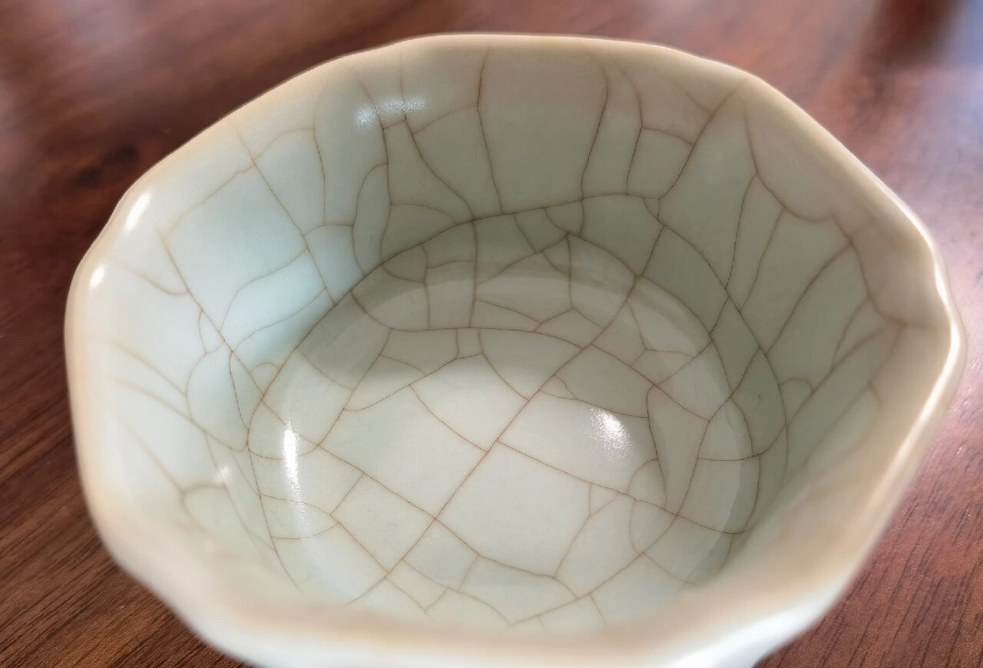
Tips to nourish crackle lines on your Ru Kiln tea ware
Many tea lovers buy Ru Kiln tea ware for its unique crackle effect, yet they are unsure how to nourish the lines properly. With 8 years in tea ware business, I often remind buyers that nourishing crackles is a slow process, not something you can rush in a few days. The fine cracks are formed…
-
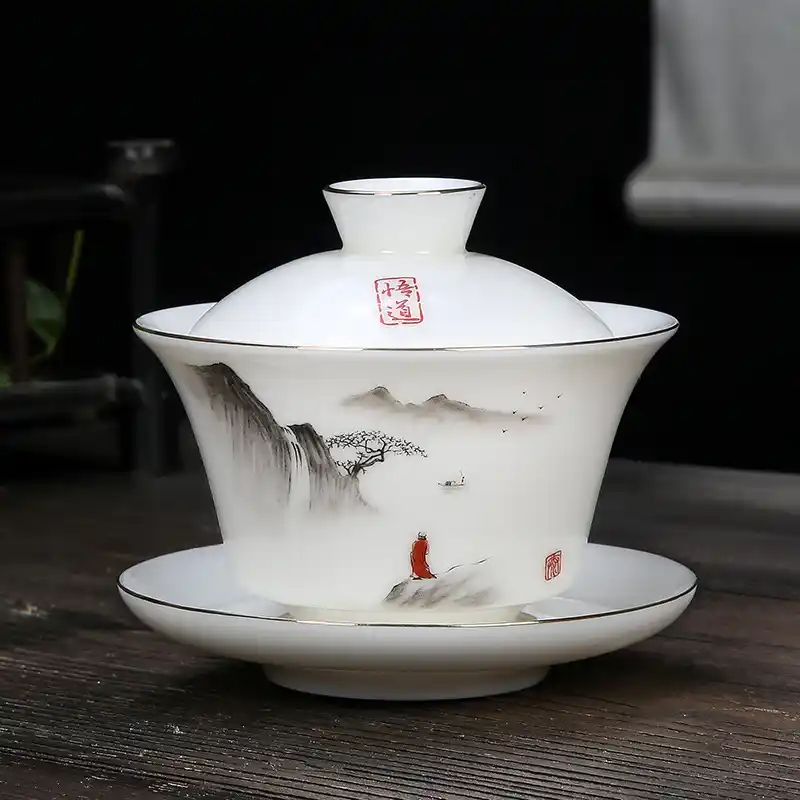
Best White Jade Porcelain gaiwan for daily gongfu tea brewing
When customers ask me to recommend a reliable gaiwan for daily gongfu tea, White Jade Porcelain is always one of my top picks. After eight years working with tea ware, I appreciate its balanced performance for regular home brewing. Unlike porous clay teapots, this porcelain has a dense, non-porous glaze, so it will not retain…