
Month: November 2026
Recent Categories
Recent Posts
Post Archive
Category Tags
Follow Us
-
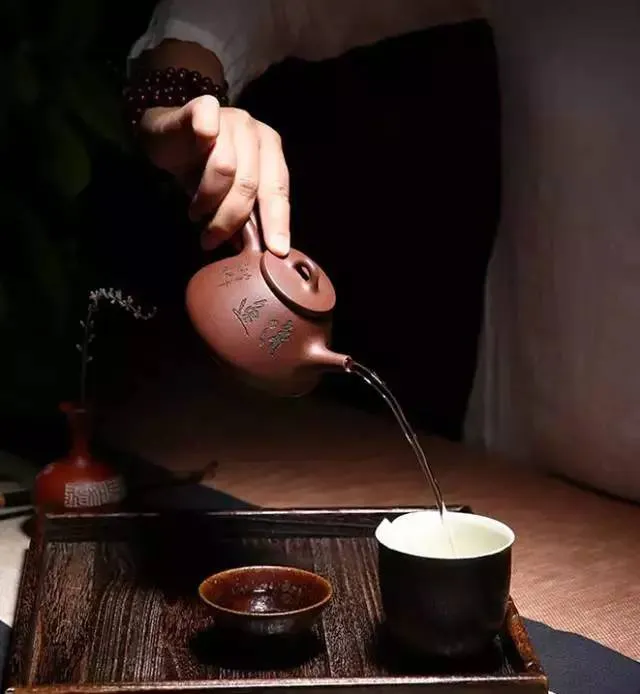
What to Look for in a Good Zini Teapot Spout Design
Many tea lovers judge a Zini teapot mainly by its clay color or overall shape, but the spout is one of the most functional parts. Even a beautiful pot with poor spout craftsmanship will drip, splash or stall while pouring, which ruins the calm rhythm of gongfu tea. Knowing what makes a great spout helps…
-
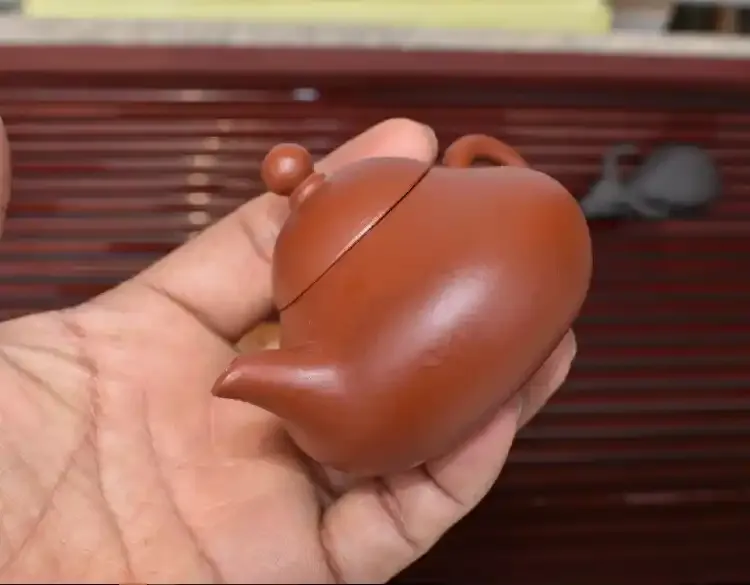
How Zini Teapot Size Changes Your Gongfu Tea Experience
Many new collectors focus only on the shape and color of a Zini teapot while ignoring its capacity. Yet size is one of the most practical factors that shapes your whole gongfu tea session. A tiny Zini pot works beautifully for solo tasting, while a larger one suits sharing with friends, and each brings very…
-
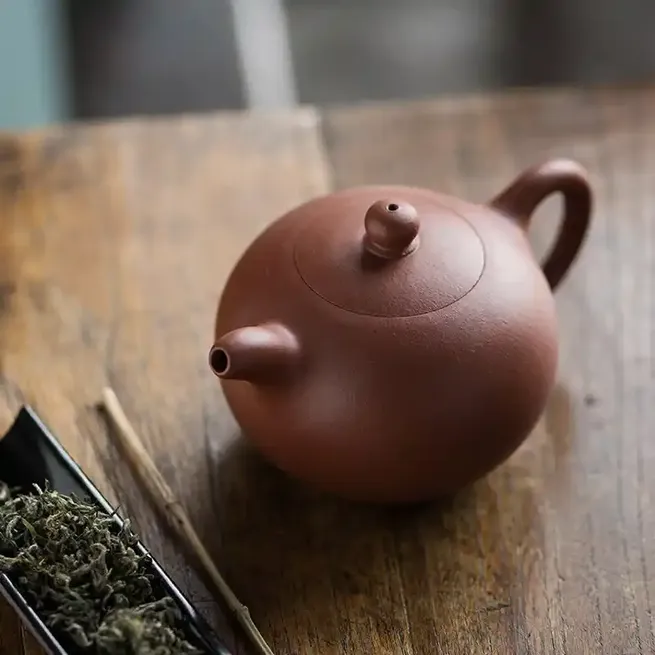
Is Zini Clay Suitable for Brewing Raw Pu-erh Tea
Raw pu-erh has sharp, lively, layered flavors that demand careful control of heat and infusion speed, so tea lovers often wonder if a Zini teapot is a good match. Zini clay is dense and fine-grained after firing, which holds heat steadily. This trait can boost the sweet notes of raw pu-erh, yet it also brings…
-
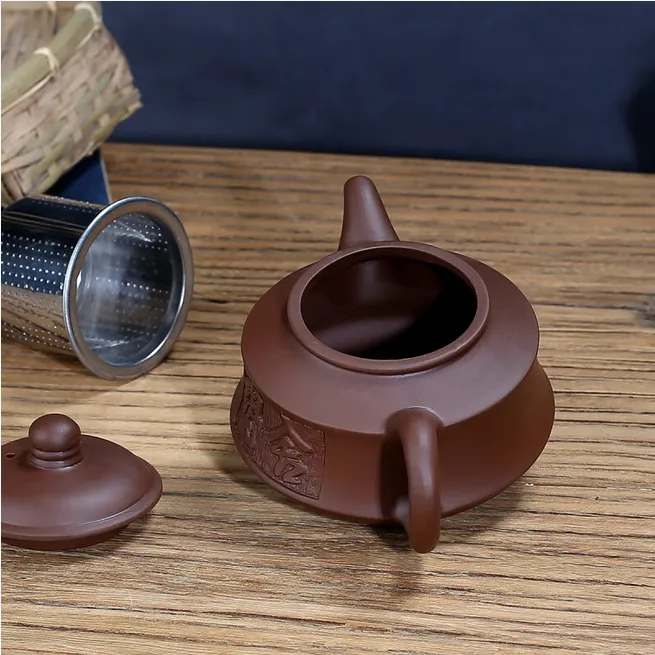
Best Daily Cleaning Routine for Your Chinese Clay Teapot
p>A solid daily cleaning habit is the foundation for keeping your Chinese clay teapot in great condition. Many tea lovers mistakenly believe that teapots only need a quick splash of hot water, while others go too far and use soap or strong cleaners. Either habit will shorten the life of your pot and affect the…
-
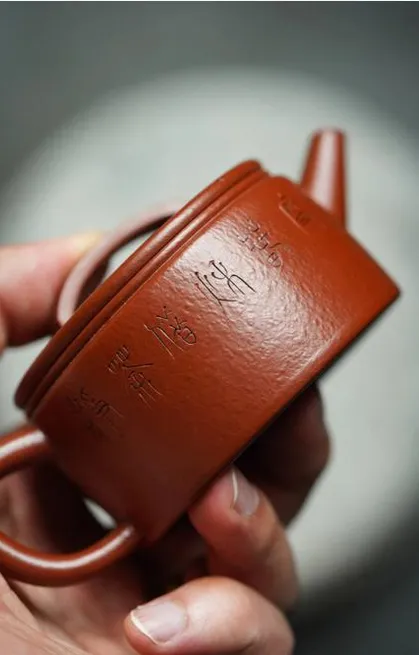
How to Tell the Difference Between Machine Pressed and Handmade Zini Teapot
For anyone shopping for a Zini teapot, learning to separate handmade pieces from machine pressed copies saves you from disappointment. Mass production makes identical pots at low cost, but they lack the subtle character and balanced brewing performance of genuine handcrafted Zini work. You do not need professional training, just a careful eye and gentle…
-
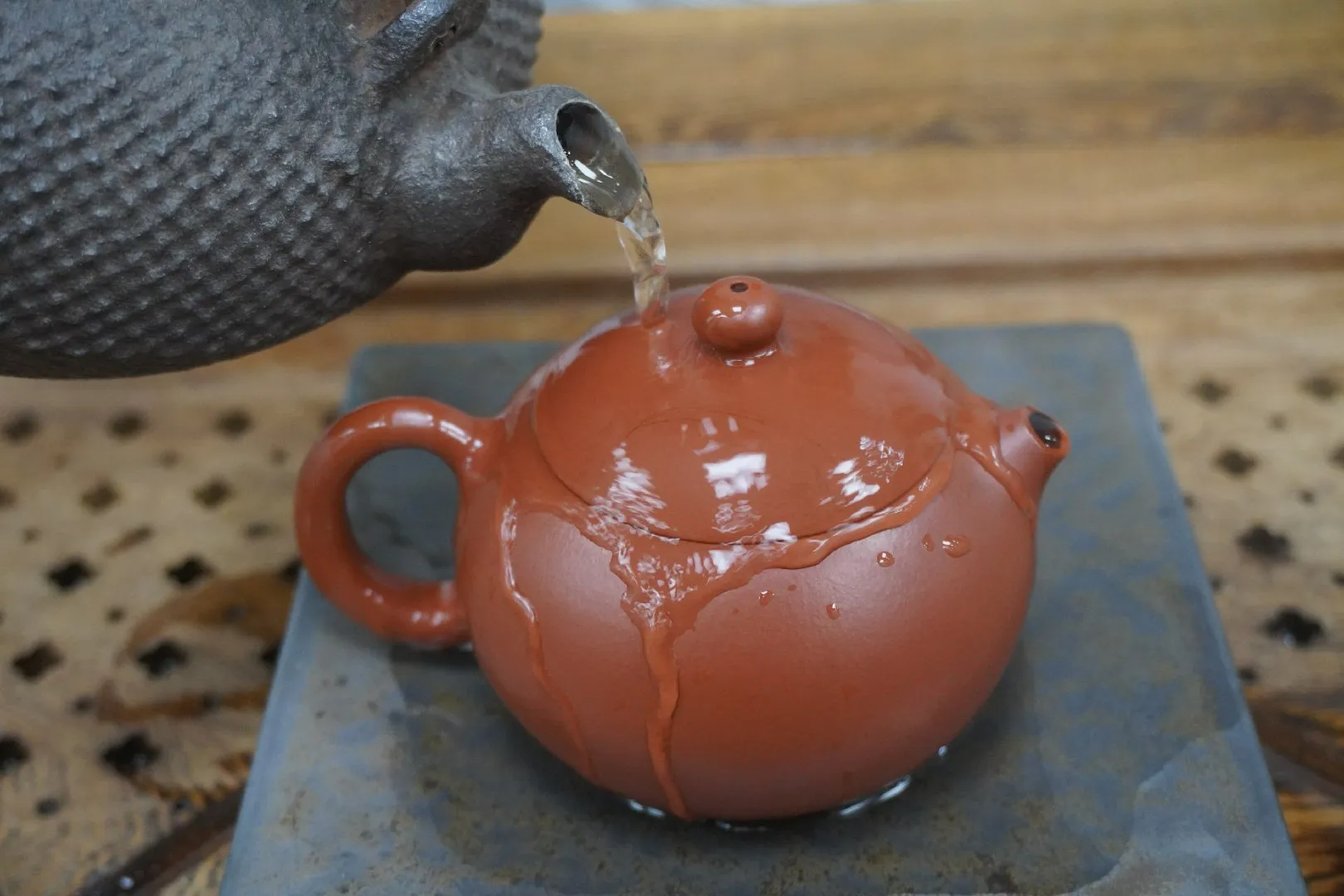
Common Mistakes When Seasoning a Chinese Clay Teapot for the First Time
Breaking in a new Chinese clay teapot is exciting for every tea enthusiast, but wrong methods can permanently damage the clay surface and ruin its future brewing performance. Many beginners rush the process, believing harsher treatments will speed up patina formation. In reality, good seasoning takes patience, and rough handling creates irreversible problems. The biggest…
-
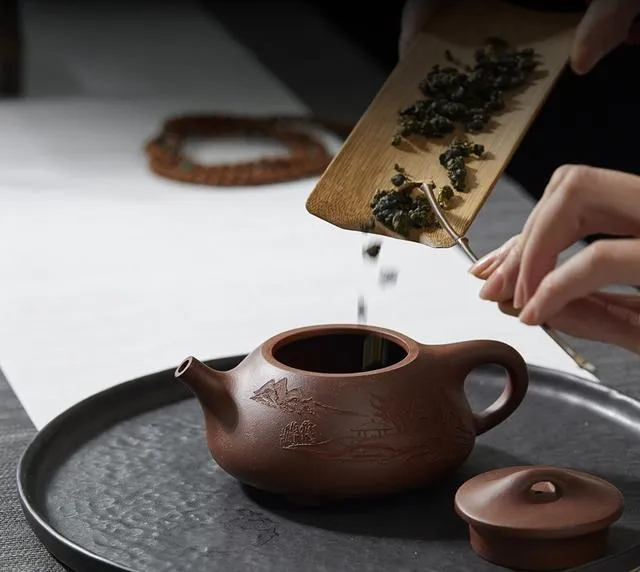
Why Zini Teapot Delivers Richer Oolong Tea Flavor Than Common Clay Teapots
Oolong tea demands precise brewing conditions to unlock its layered floral and fruity notes, and that is exactly where a well-made Zini teapot shines. Compared with many other clay teapots, Zini clay features a tighter, finer grain structure after firing. It holds heat steadily without over-burning the tender tea leaves, which is critical for semi-oxidized…
-
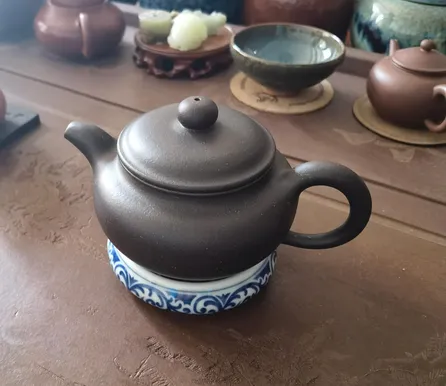
How to Store Zini Teapot Properly Between Tea Sessions
Many tea lovers spend lots of time caring for their Zini teapot while brewing tea, yet overlook proper storage between sessions. Wrong storage habits can harm the clay surface, leave stubborn tea stains, or even cause mold growth inside the pot. A few easy steps will keep your teapot in great shape and help its…