
Many Zisha teapot owners share the same goal: carefully season their pot to build a translucent, silky patina. They hope the teapot will grow more character and value with every brew.
Yet results vary wildly. Some tea lovers get a beautiful jade-like glow after half a year. Others use their pots for years only to end up with dull, dark, grimy surfaces. Their teapots look worse over time.
Seasoning a Zisha teapot is not about overdoing it. It depends entirely on correct methods. New and even experienced tea fans often stick to bad habits that damage great pots. Read on to learn four easy-to-miss seasoning mistakes, so you can avoid them and grow gorgeous patina on your Zisha teapot.
Mistake 1: Over-pouring tea and over-wiping to rush patina growth
Many new owners are eager to see fast results. They pour tea soup over the pot repeatedly and wipe the surface constantly during every brew, believing heavy care speeds up patina.
This is one of the worst things you can do to your teapot. A new Zisha pot has open, clean, porous clay. Frequent heavy tea pouring leaves thick tea residue sitting on the surface instead of absorbing into the clay. Nonstop wiping scratches the natural texture of the pot. The end result is dull, grey, greasy discoloration. The pot will never develop that clear, jade-like sheen.
Correct method: Lightly pour tea over the pot as you normally brew. After drinking, gently wipe surface moisture with a clean tea cloth and leave it to air dry. Let tea soak slowly into clay pores and build natural patina step by step.
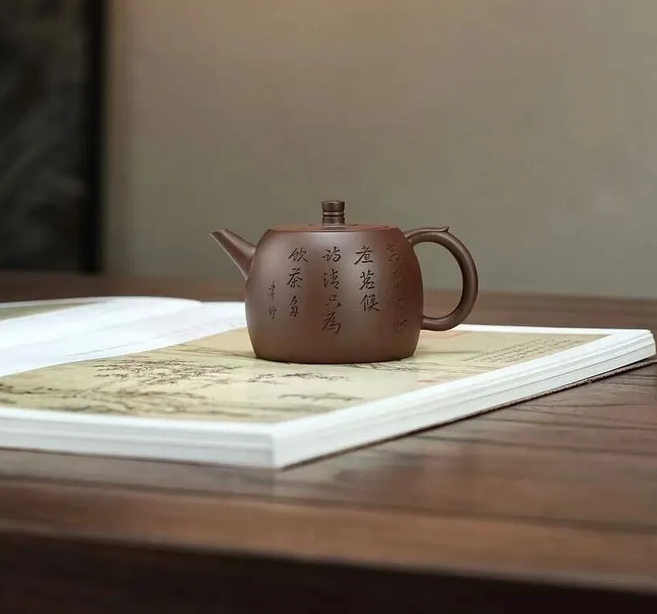
Mistake 2: Brewing all tea types in one pot, mixing tea flavors
Many households use a single Zisha teapot for every kind of tea: pu-erh, black tea, green tea and oolong. They think tea is just tea.
Seasoned tea drinkers follow the rule of one pot for one tea type for good reason. Zisha clay has a unique double-pore structure that absorbs aromas strongly. Different teas carry vastly different flavors and scents. Mixed brewing traps conflicting smells deep inside the clay. Over time, your brews will taste muddled. Uneven staining also ruins the pot’s natural patina development.
Correct method: Stick to one tea variety per teapot. When you use the pot for only one tea, flavors stay pure, clay remains stable, and patina grows evenly and beautifully.
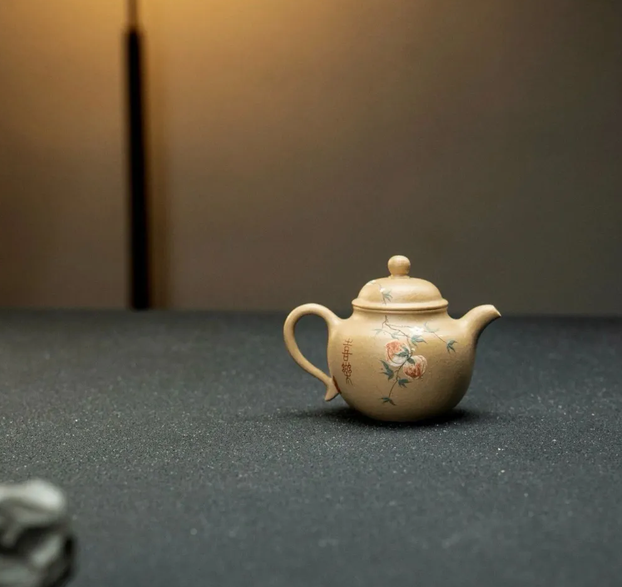
Mistake 3: Leaving leftover tea inside to soak and stain the pot
Some tea drinkers skip cleaning after brewing. They leave old tea liquid sitting inside the pot overnight, thinking prolonged soaking helps seasoning.
Stagnant leftover tea will ferment and create tiny impurities and unpleasant odors. These deposits build up inside the pot, pores and spout, darkening the surface and leaving stale smells. Later brews lose their clean aroma and taste flat, ruining both the tea drinking experience and the pot.
Correct method: Empty all leftover tea right after use. Rinse the inside and outside with warm water, then open the lid fully to air dry. Never let water or old tea sit trapped inside the pot.
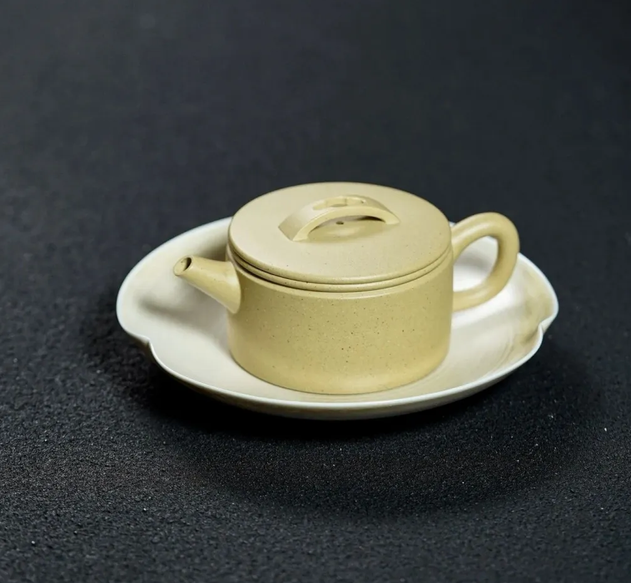
Mistake 4: Using harsh tools that scratch and damage the pot surface
Some people want an ultra-shiny pot, so they scrub with rough cloths, stiff brushes, abrasive sponges, toothpaste or household cleaners.
Zisha patina forms naturally through tea infusion and slow oxidation. It comes from patience, not polishing. Hard scrubbing tools scratch the delicate clay texture and permanently damage the pot surface. Chemical cleaners eat away the clay and leave lingering artificial smells.
Correct method: Only use soft cotton tea cloths and gentle fine brushes. Never use soap or abrasive cleaners. Care for the pot gently to preserve its natural soft texture.
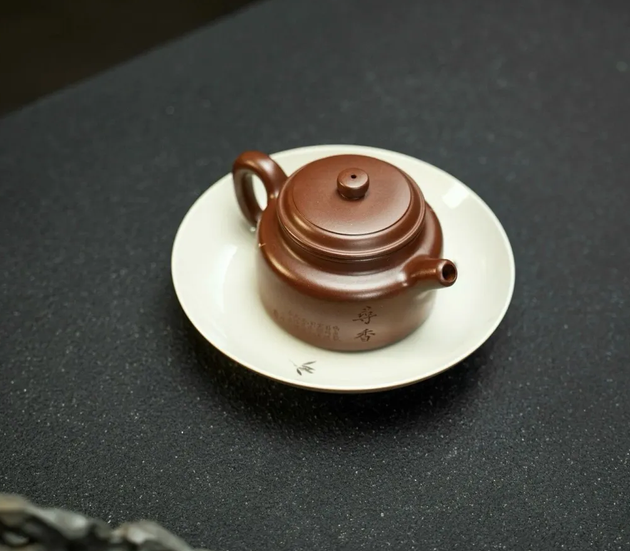
To sum up: seasoning a Zisha teapot is about patience and careful details, not speed. Avoid over-wiping, mixing tea types, trapped leftover tea and harsh scrubbing. Maintain your pot naturally alongside your daily tea brewing routine. With time, you will own a well-seasoned teapot with silky luster and rich, consistent tea aroma.
Leave a Reply