
Shopping for Yixing purple clay teapot online is convenient, but it also comes with many traps. Lots of sellers label ordinary clay pots as genuine Yixing purple clay, and it is hard to judge only from polished product photos. Even experienced tea lovers can get tricked if they do not know what details to check.
Many fake pots use mixed clay, dyed clay or industrial mud instead of authentic Yixing clay. Unnatural, overly bright color is one of the most obvious warning signs. Real purple clay has soft, earthy tones with small natural mineral spots. If the surface looks too shiny, uniform and saturated, it is very likely dyed to look attractive in photos.
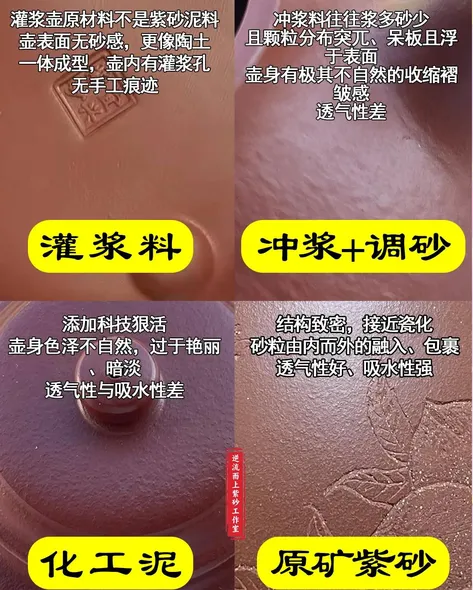
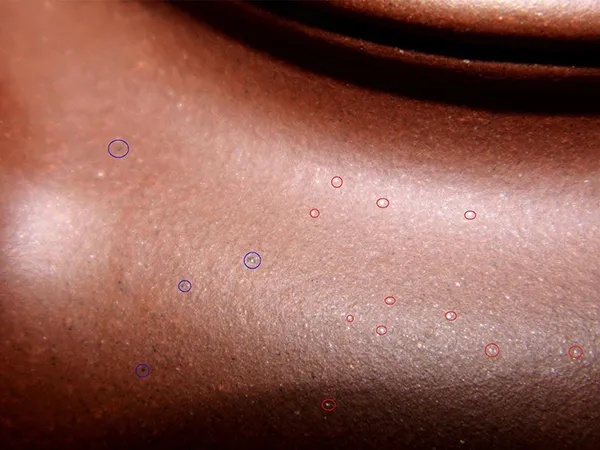
You should also pay attention to the weight and texture description. Genuine purple clay has a balanced feel. Pots made from cheap industrial mud are often either surprisingly heavy or unnaturally light. Some sellers add sand artificially to imitate granular texture, but the grain looks stiff and evenly distributed, not scattered naturally like real clay.
Do not trust exaggerated marketing words easily. Phrases like “rare old mud” “top master work at low price” are common tricks. True handmade master pieces carry reasonable price tags, and old clay resources are limited. Extremely low prices for supposed premium purple clay pots are almost always fakes.
When you receive the parcel, test the water absorption gently. Authentic purple clay absorbs water slowly. Fake dyed clay often repels water, or the surface color bleeds when soaked. Remember these signs, and you can greatly reduce the chance of buying a counterfeit teapot online.
Leave a Reply