
Tag: Zi Sha
Recent Categories
Recent Posts
Post Archive
Category Tags
Follow Us
-
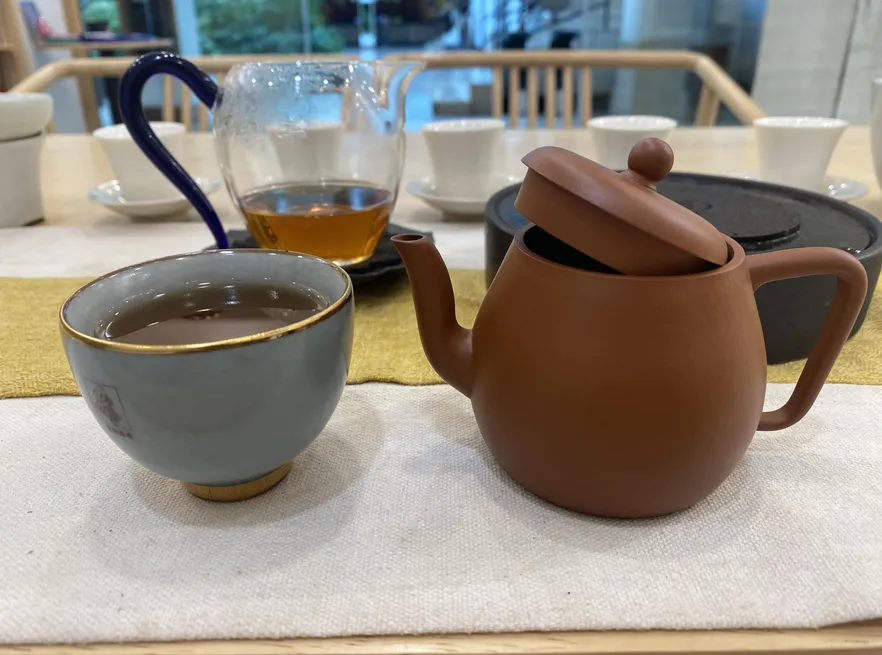
Why Yixing Purple Clay Teapot Brings Better Flavor For Oolong Tea
Oolong tea sits between green tea and black tea, with rich floral, fruity and roasted notes. It needs stable heat and gentle breath from the pot to release its layered charm, and this is exactly where a Yixing purple clay teapot shines. Many oolong fans stick to clay pots after trying different porcelain wares, and…
-
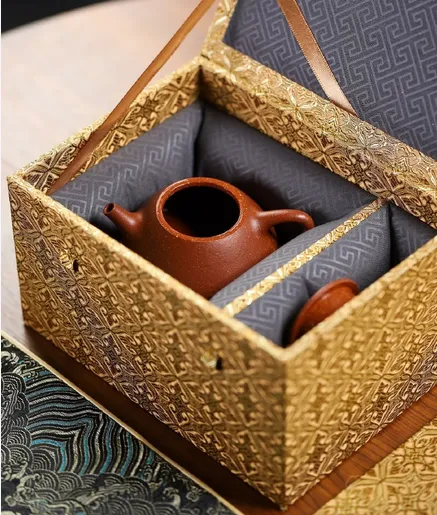
Tips to Maintain Your Yixing Zisha Teapot During Long Term Storage
Proper storage is just as important as regular brewing for your Yixing Zisha teapot. Many tea lovers accidentally ruin their well-cared pots by storing them in unsuitable places. Even if you stop using it for weeks or months, simple routines can protect its patina and clay structure. The first rule is to fully clean and…
-
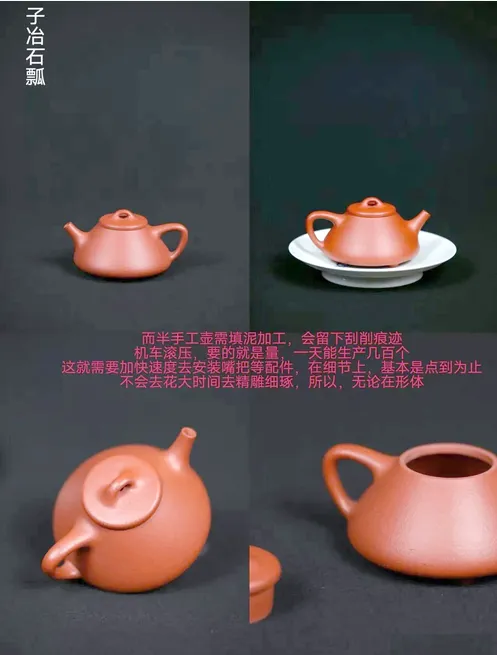
What Makes Handmade Yixing Teapot Different From Machine Made Ones
Many tea beginners struggle to tell apart handmade Yixing teapot and machine made versions. The price gap is huge, and the brewing experience can be very different, even if they look nearly identical at first glance. It is not only about appearance, but also about the inner structure and clay treatment. Body marks are the…
-
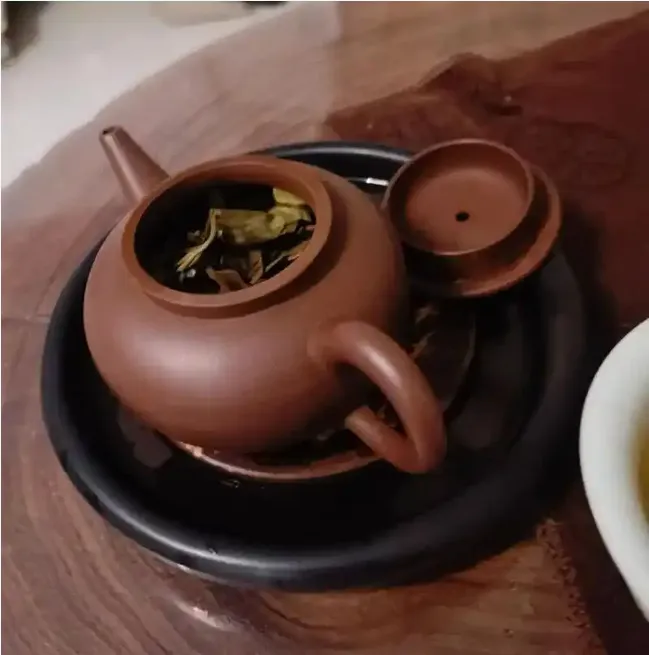
How to Choose the Right Yixing Clay Teapot for Raw Puer Tea
Raw puer tea has sharp, lively and layered flavors, so it demands a Yixing clay teapot that can balance its bitterness and bring out the sweet aftertaste. Not all clay works well for raw puer, and many new tea lovers pick the wrong pot only to find the tea taste harsh and unsmooth. Duan clay…
-
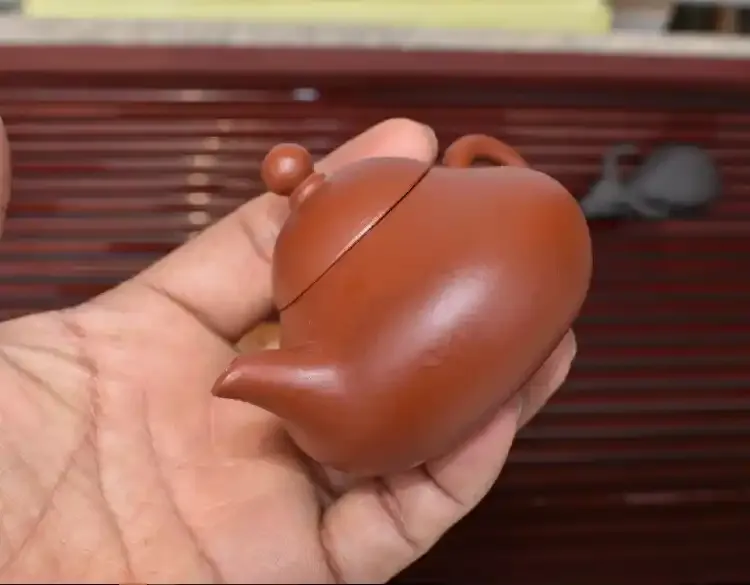
How Zini Teapot Size Changes Your Gongfu Tea Experience
Many new collectors focus only on the shape and color of a Zini teapot while ignoring its capacity. Yet size is one of the most practical factors that shapes your whole gongfu tea session. A tiny Zini pot works beautifully for solo tasting, while a larger one suits sharing with friends, and each brings very…
-
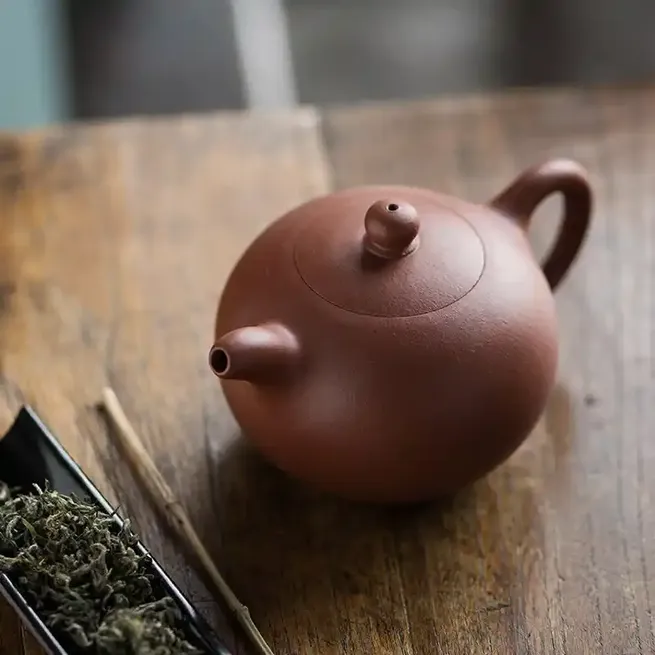
Is Zini Clay Suitable for Brewing Raw Pu-erh Tea
Raw pu-erh has sharp, lively, layered flavors that demand careful control of heat and infusion speed, so tea lovers often wonder if a Zini teapot is a good match. Zini clay is dense and fine-grained after firing, which holds heat steadily. This trait can boost the sweet notes of raw pu-erh, yet it also brings…
-
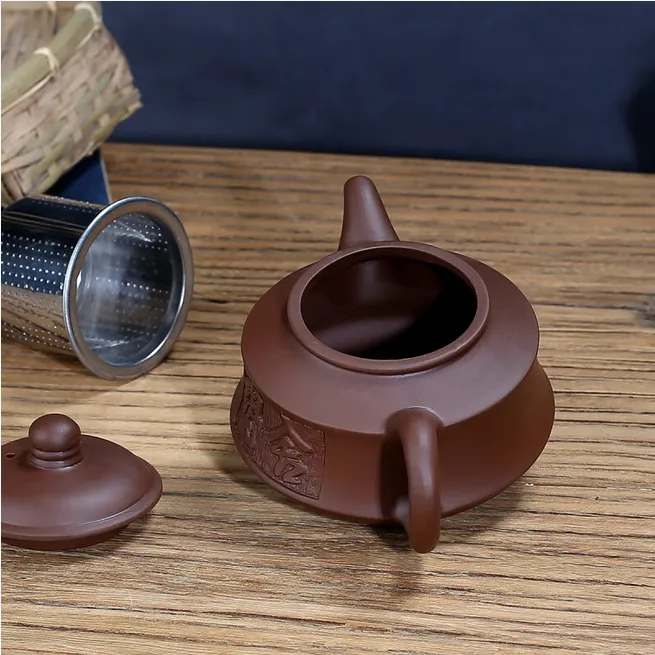
Best Daily Cleaning Routine for Your Chinese Clay Teapot
p>A solid daily cleaning habit is the foundation for keeping your Chinese clay teapot in great condition. Many tea lovers mistakenly believe that teapots only need a quick splash of hot water, while others go too far and use soap or strong cleaners. Either habit will shorten the life of your pot and affect the…
-
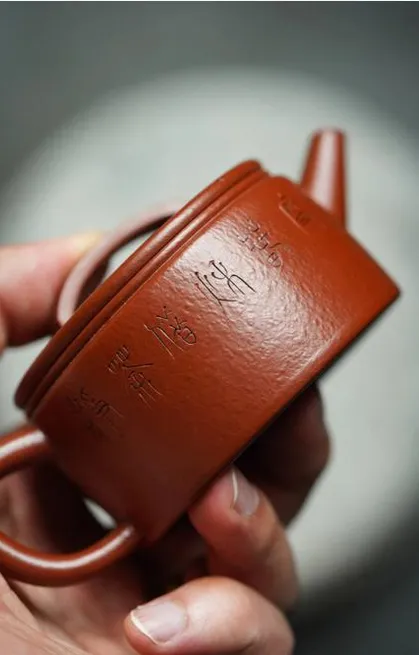
How to Tell the Difference Between Machine Pressed and Handmade Zini Teapot
For anyone shopping for a Zini teapot, learning to separate handmade pieces from machine pressed copies saves you from disappointment. Mass production makes identical pots at low cost, but they lack the subtle character and balanced brewing performance of genuine handcrafted Zini work. You do not need professional training, just a careful eye and gentle…
-
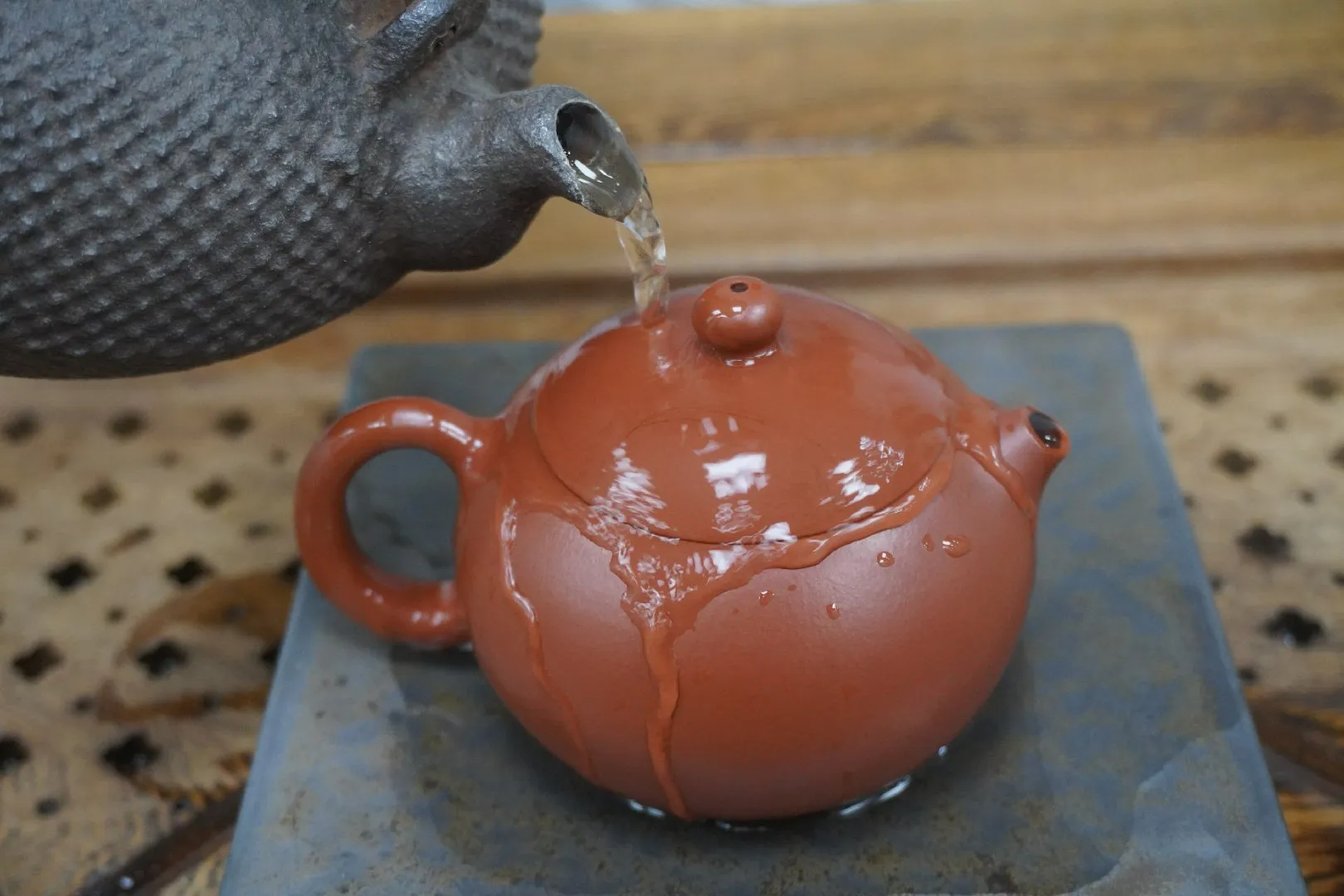
Common Mistakes When Seasoning a Chinese Clay Teapot for the First Time
Breaking in a new Chinese clay teapot is exciting for every tea enthusiast, but wrong methods can permanently damage the clay surface and ruin its future brewing performance. Many beginners rush the process, believing harsher treatments will speed up patina formation. In reality, good seasoning takes patience, and rough handling creates irreversible problems. The biggest…
-
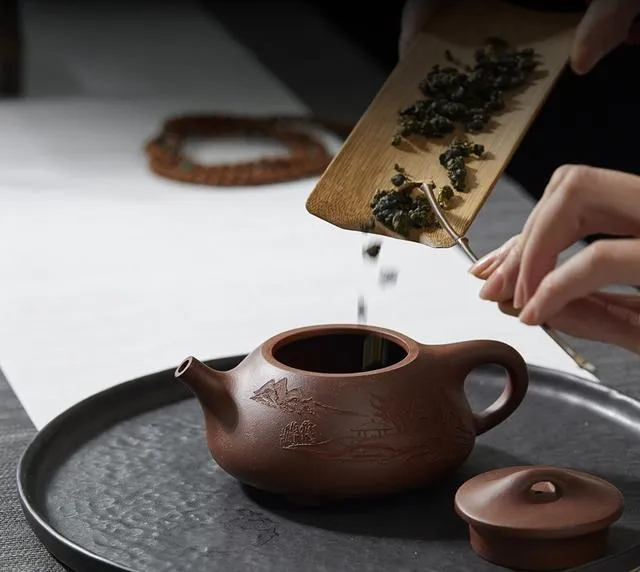
Why Zini Teapot Delivers Richer Oolong Tea Flavor Than Common Clay Teapots
Oolong tea demands precise brewing conditions to unlock its layered floral and fruity notes, and that is exactly where a well-made Zini teapot shines. Compared with many other clay teapots, Zini clay features a tighter, finer grain structure after firing. It holds heat steadily without over-burning the tender tea leaves, which is critical for semi-oxidized…